
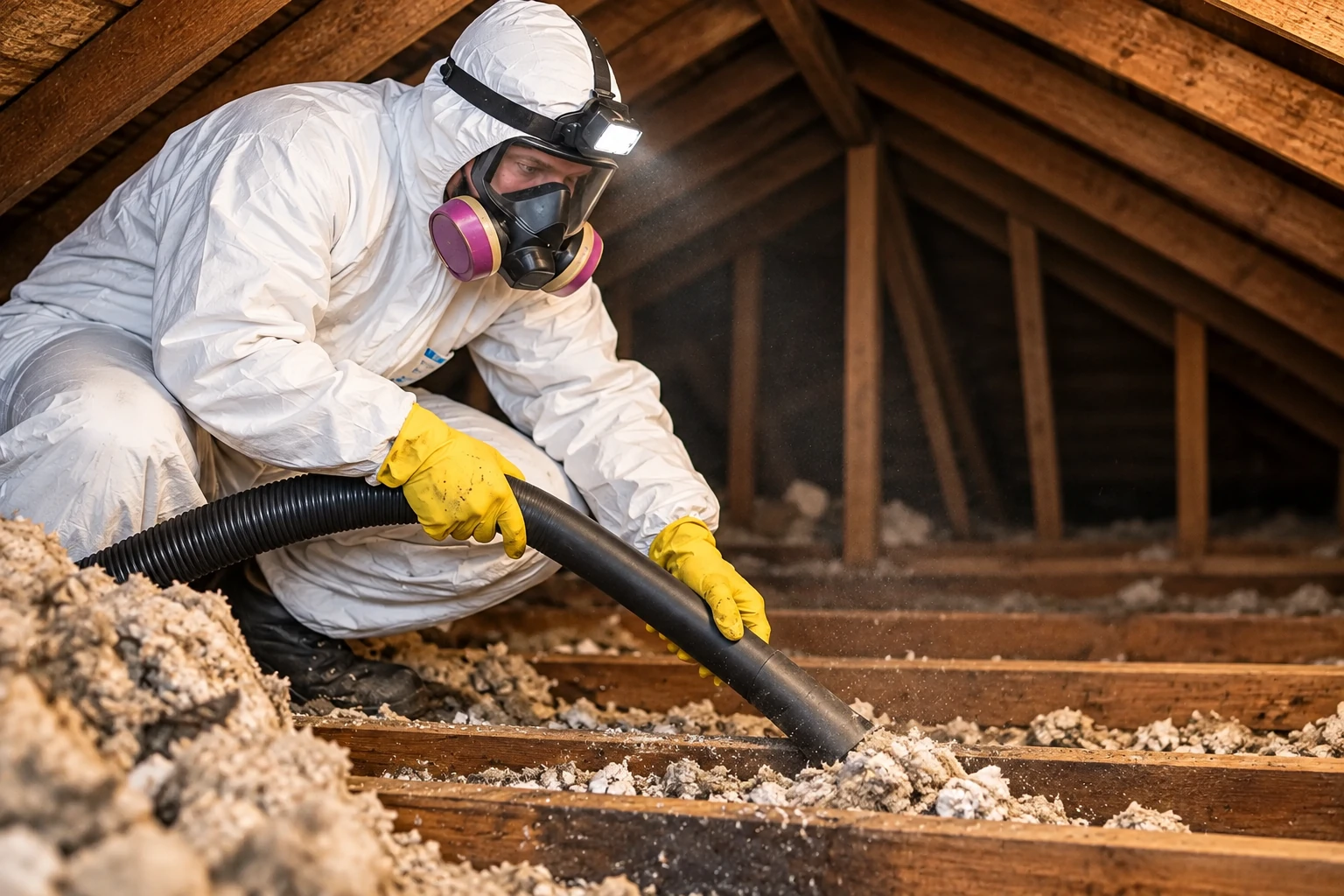
We've been based in Menifee since 2017, and we work in Temecula the same way we do in Murrieta and Perris. Most calls here are about an upstairs that won't cool down, a room over the garage that's always the worst one in the house, or a power bill that keeps climbing. The price moves with the size of the attic, what's already up there and whether it has to come out, and how many gaps need sealing before anything new goes in. The schedule turns mostly on that removal and on whether the city wants a permit for your address, and I'll go through both at your house before you get the scope in writing.
A lot of the houses we see here are two-story stucco homes on tract streets, with the ductwork for the upstairs running through the attic. That shapes the job, because the cooled air for those bedrooms travels through the hottest part of the house, so what leaks up there matters as much as how many inches are already down.
What we fix before adding insulation
When I go up in a Temecula attic, I'm looking for why the old insulation stopped working before I talk about new material. A roof leak, bad wiring or old insulation that got soaked or full of droppings has to be dealt with first, because burying it under fresh material just means you pay twice. We also check the eave vents along the roof edge, since covering them keeps the attic from breathing and moisture ends up in the framing. If a job isn't worth doing, I'll tell you that instead of selling it to you.
Blown-in or spray foam for your attic
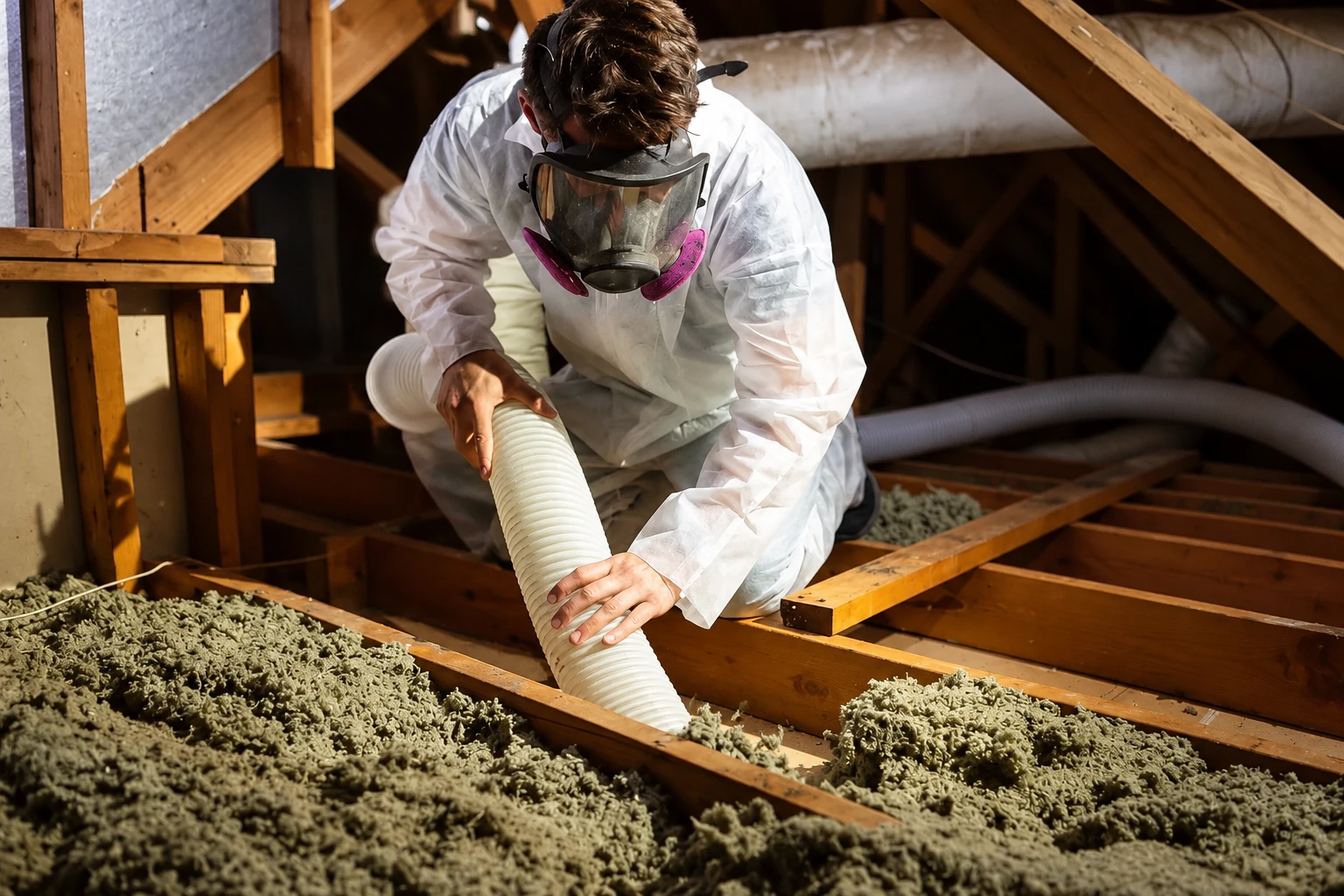
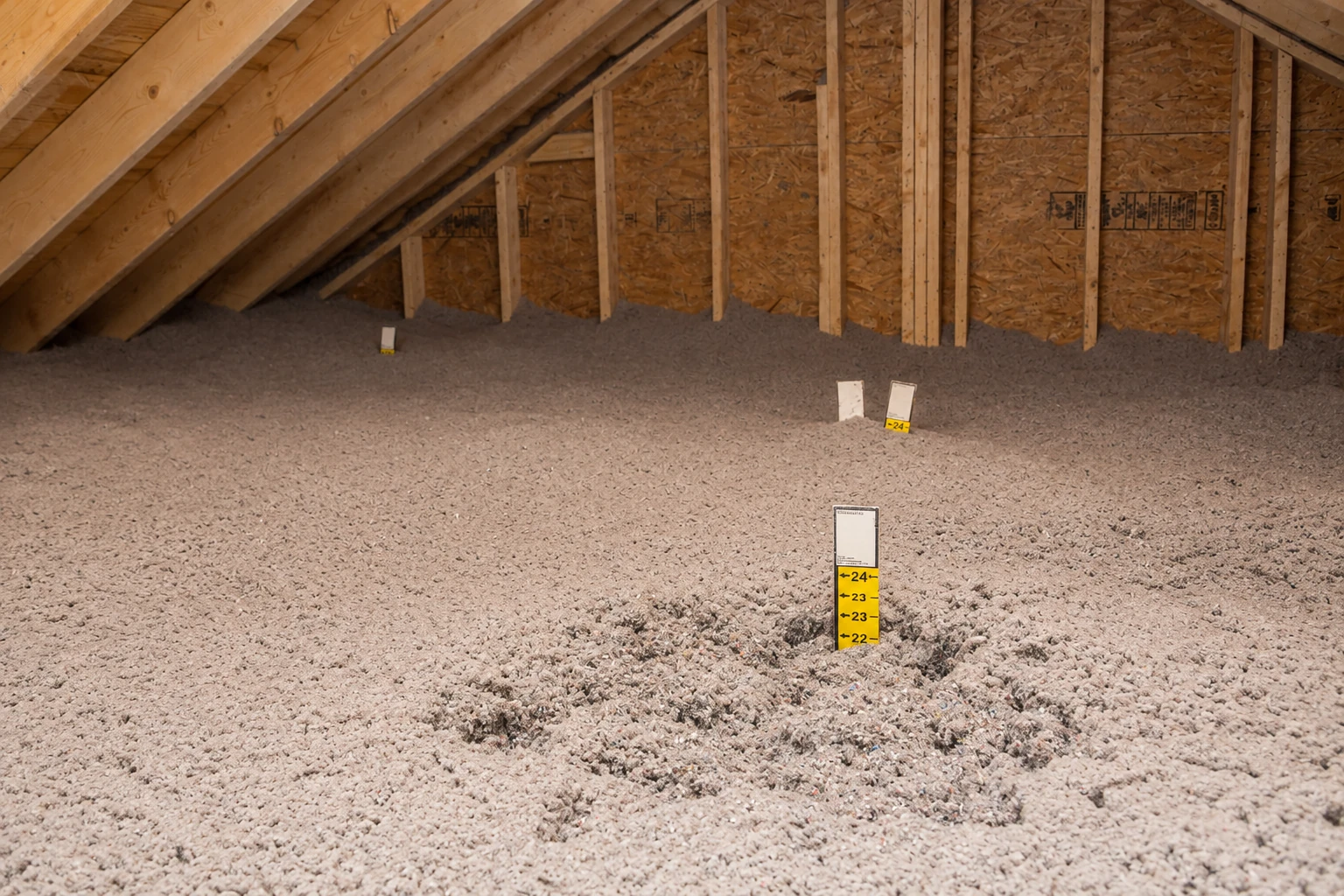
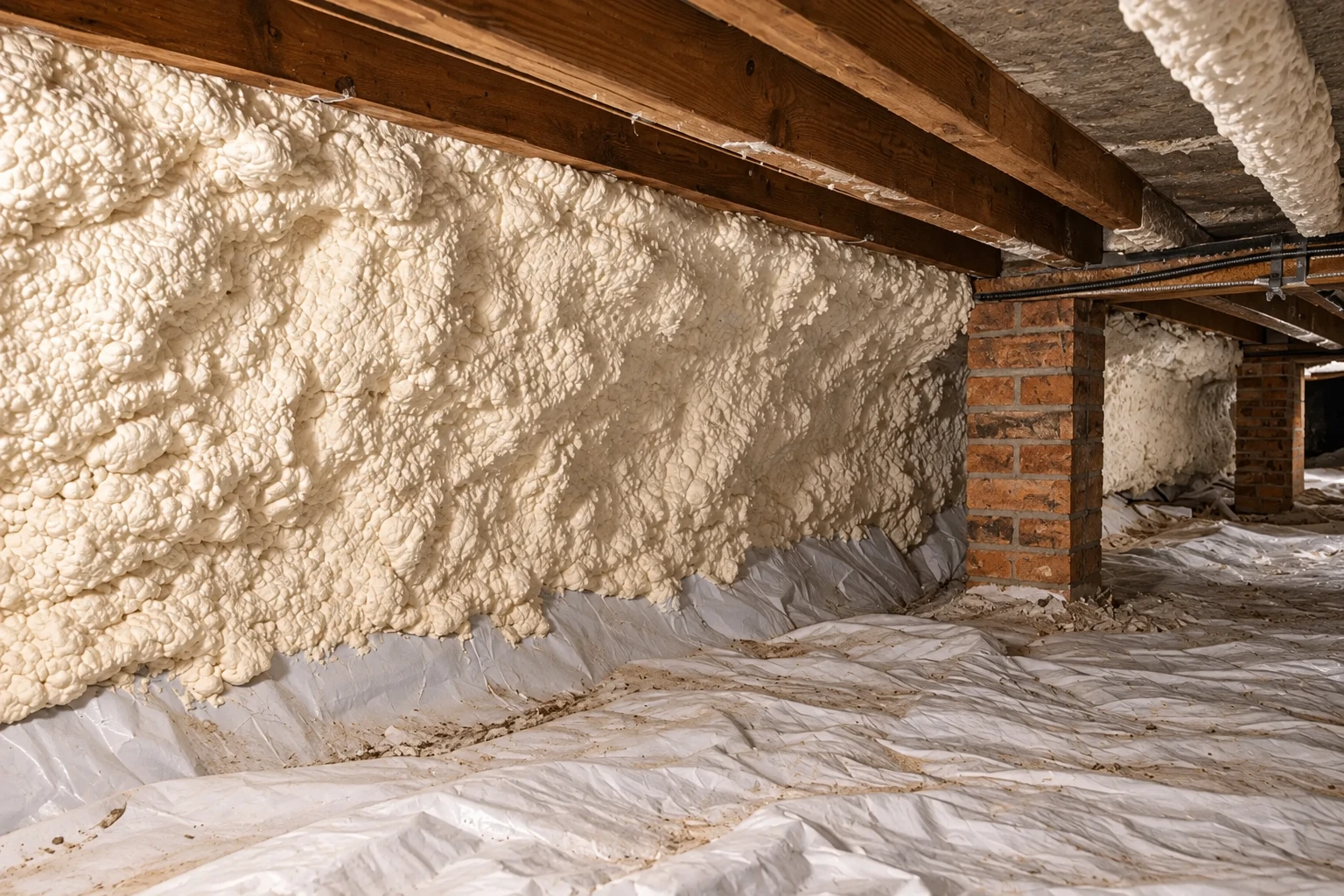
For most attics here, sealing the gaps and topping up with blown-in insulation, loose fill blown through a hose, gives you the most for the money. Air sealing comes first, closing the gaps around can lights, pipes and the attic hatch, so the new insulation isn't fighting a draft. Foam costs more, but it seals and insulates in one pass, and when your ductwork runs through the attic, that's usually where I'd lean. I ran duct in attics for years before I switched trades, so I know what a leaky run up there does to a bedroom. We also keep the depth even out to the edges, where it usually ends up thin.
Getting your house ready for the crew
Most of the work happens in the attic, so we need a clear path to the hatch, which in a lot of houses here sits in a closet or the garage, plus room near the door for the hose and equipment. Moving boxes and clothes out of that closet ahead of time saves you cleanup later. Our installers do the work, with me or a lead installer running the job. With blown-in, you can usually stay home. With spray foam, you, the kids and the pets need to be out while it goes in, and we tell you the re-entry time, when it's safe to come back, before we start.