
Canyon Lake is a city built around its lake, where people spend weekends wakeboarding, water skiing and paddle boarding. A local real estate site describes it as a private gated community, and most of what we work on here is homes, a lot of them older and plenty added onto over the years.
We're based in Menifee and work in Canyon Lake the same way we do in Lake Elsinore and Wildomar. This part of the county gets high heat, long stretches with little or no rain and strong winds, and you can see all three in the attics here. Summer heat sits on the roof for months, wind pushes dust in through gaps at the eaves and the hatch, and older insulation that's settled or been patched over the years can't keep up. That's why so many calls here start with a hot upstairs or the room over the garage, and why we look for where the air gets in before we add anything.
What we check in your attic first
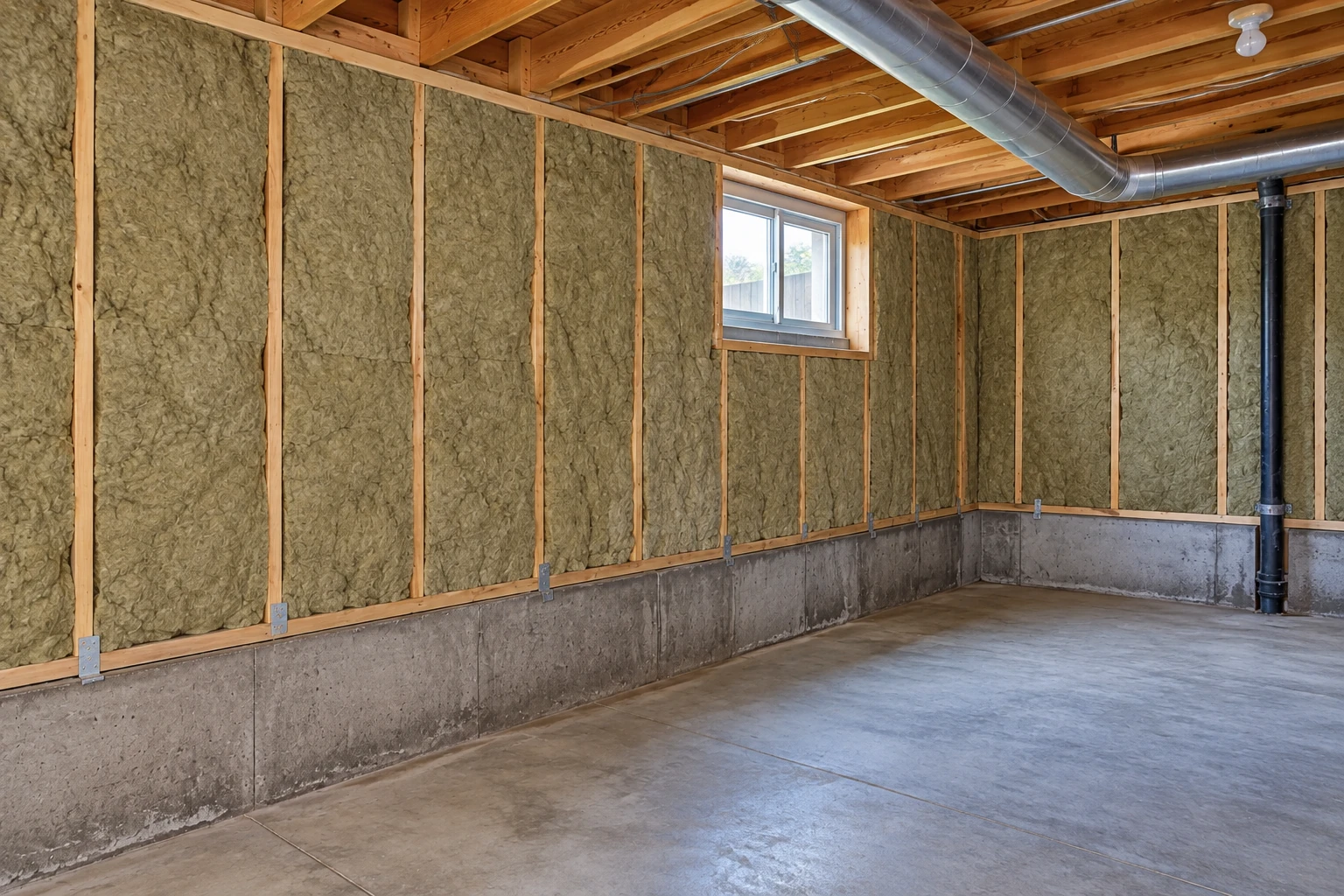
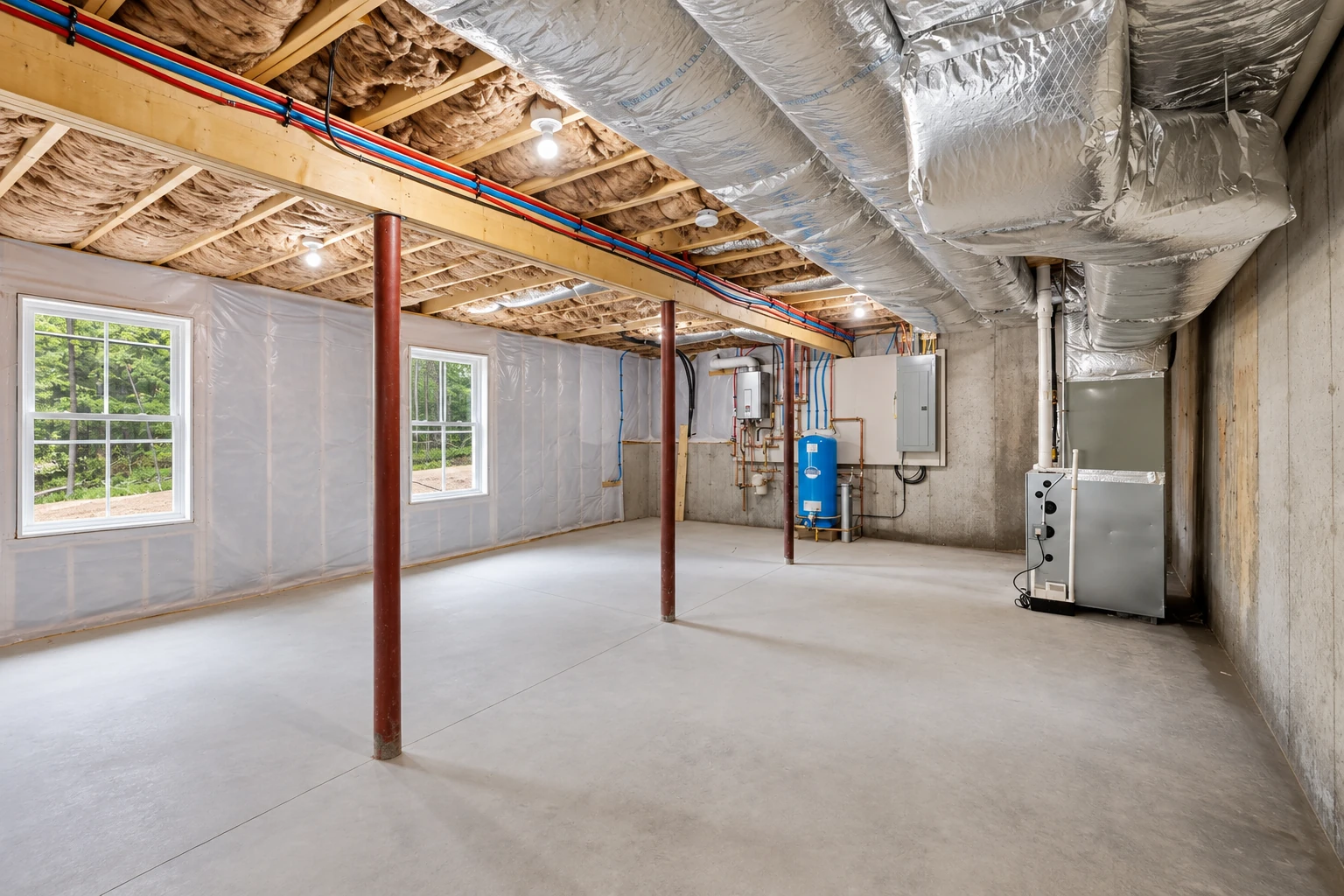
When I come out, I check how many inches are already up there, how old the house is and what shape the old material is in. If it's been soaked by a roof leak or it's full of droppings, it comes out, because new insulation over it just buries the problem. Then we do the air sealing, closing the gaps around can lights, pipes and the hatch, so the new insulation isn't fighting a draft. We keep the eave vents clear so the attic can still breathe, and we put as much depth at the edges as in the middle, which is where coverage is often thin.
Foam or loose fill for these houses
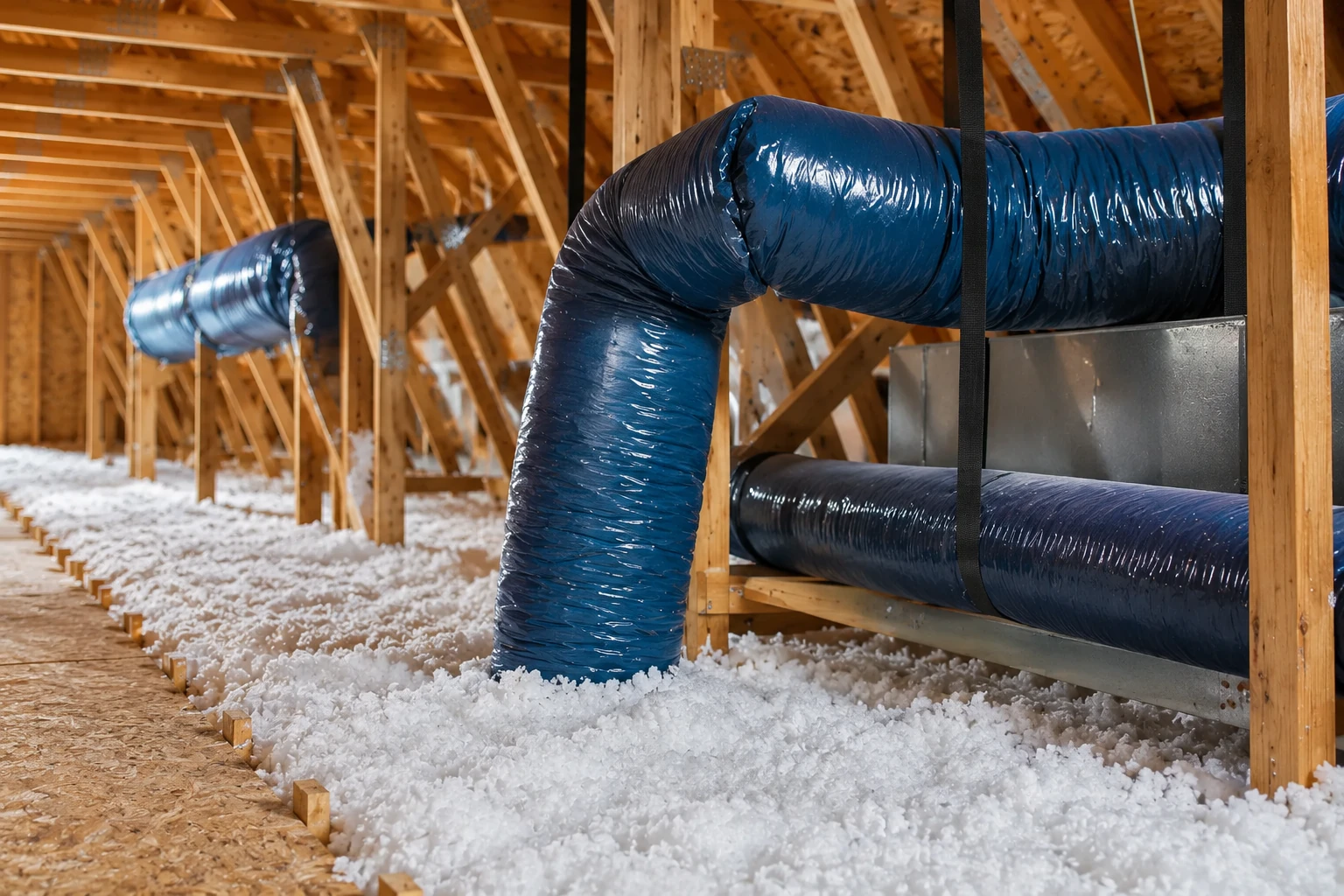
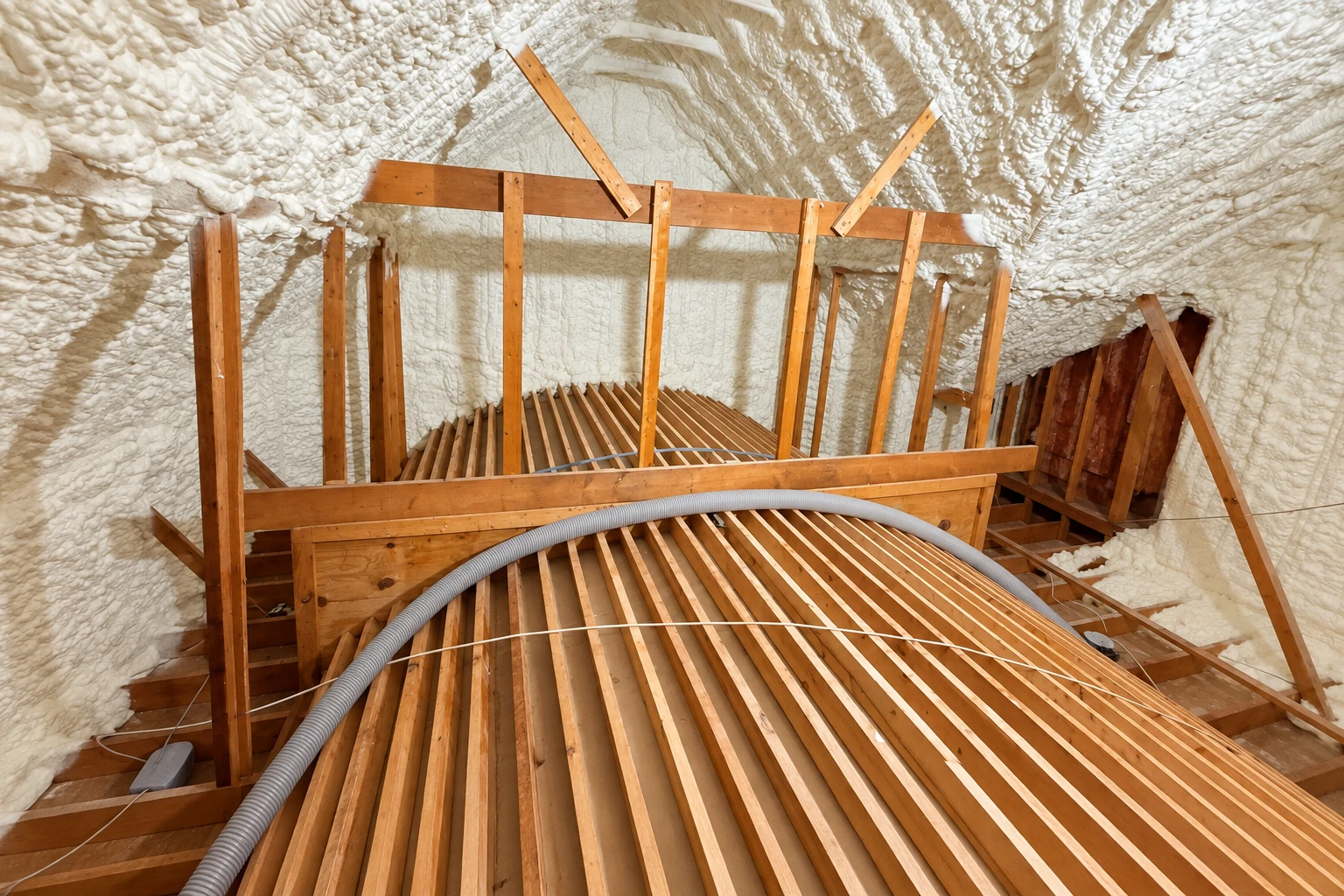
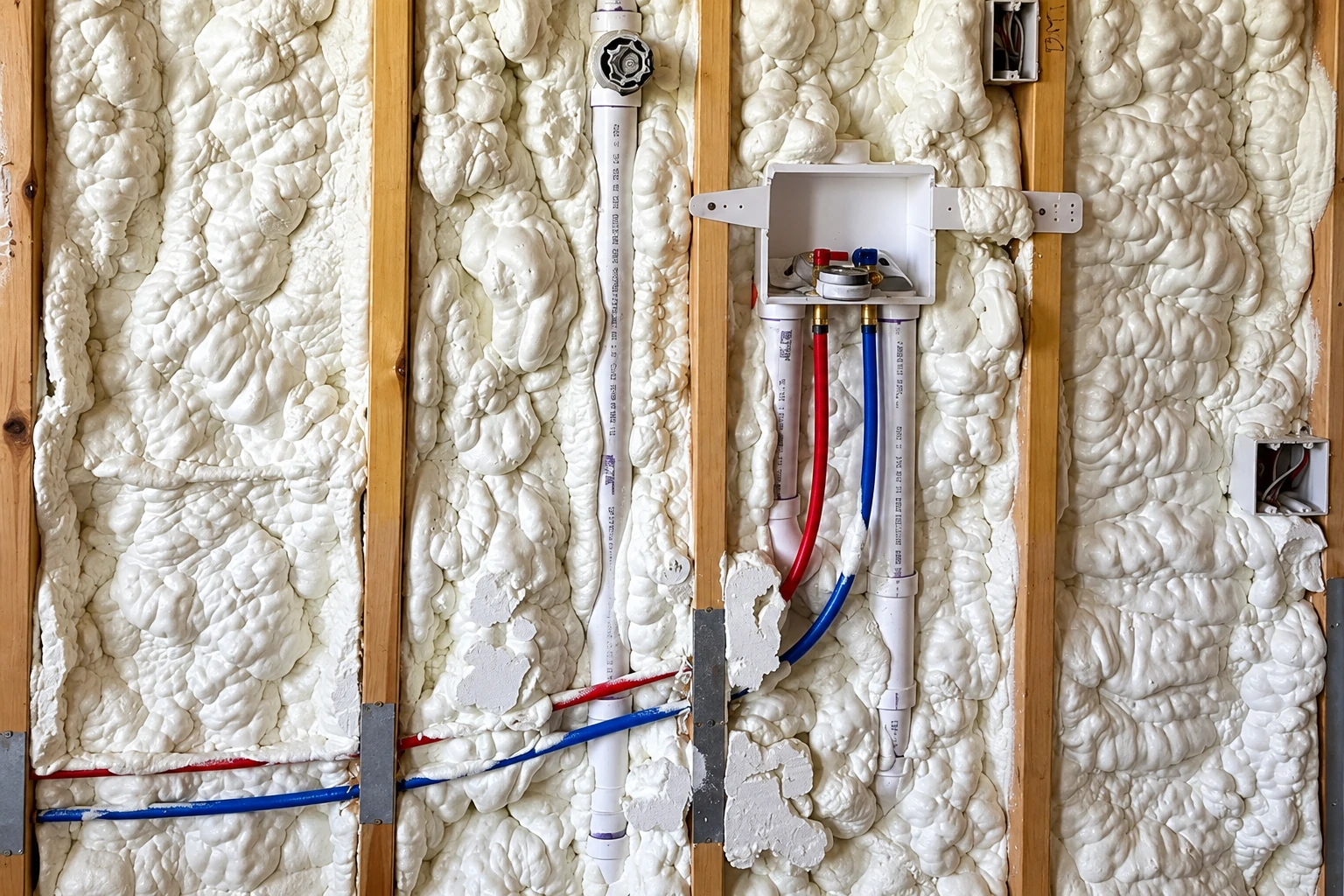
Foam costs more, and it seals air while it insulates. For most Canyon Lake attics I'd rather seal the gaps and top up the blown-in, loose fill blown through a hose, because that gets you most of the way for less money. The exception is when your ductwork runs through the attic. In this heat, ducts sitting in a hot attic work hard all summer, and foam under the roof deck can bring that space closer to the temperature of the house, so it can be worth the extra cost. I'll tell you at the estimate which one your house actually needs, and if the answer is neither, I'll say that too.
What moves the price and the schedule
Price comes down to the size of the attic, whether old insulation has to come out first, how many gaps need sealing and whether we're blowing in loose fill or spraying foam. A tight hatch or a low roof slows the work, so that counts too. The schedule turns mostly on removal, since pulling out soaked or dirty material adds a step before anything new goes in. I'll go over what your house needs and what it costs when I come out. Once we set a date, tell us what it takes to get our truck to your door, so the crew isn't stuck waiting at the start of the day.