
Basement insulation in Menifee CA - water handled first, then a warmer room
Cold floors upstairs or a damp, chilly basement? We check for water first, get it fixed, then insulate the walls or the floor above.
I come out and do the estimate
When you call, I'm the one who comes out to look at your basement and the floor above it. Our installers do the work, with me or a lead installer running the job, so nothing gets lost between the estimate and the crew.
Problems fixed before any insulation
I ran duct in attics for years and kept crawling past insulation that was done wrong or never done, so I started this business in 2017. Burying a leak or bad wiring under new insulation just costs you twice.
Fully licensed and insured, no sales pitch
We're fully licensed and insured. Our work is backed by our satisfaction guarantee. Call (951) 430-8005 or use the form on this page, and I'll tell you straight whether the job is worth doing.
Basement insulation in Menifee, done in order
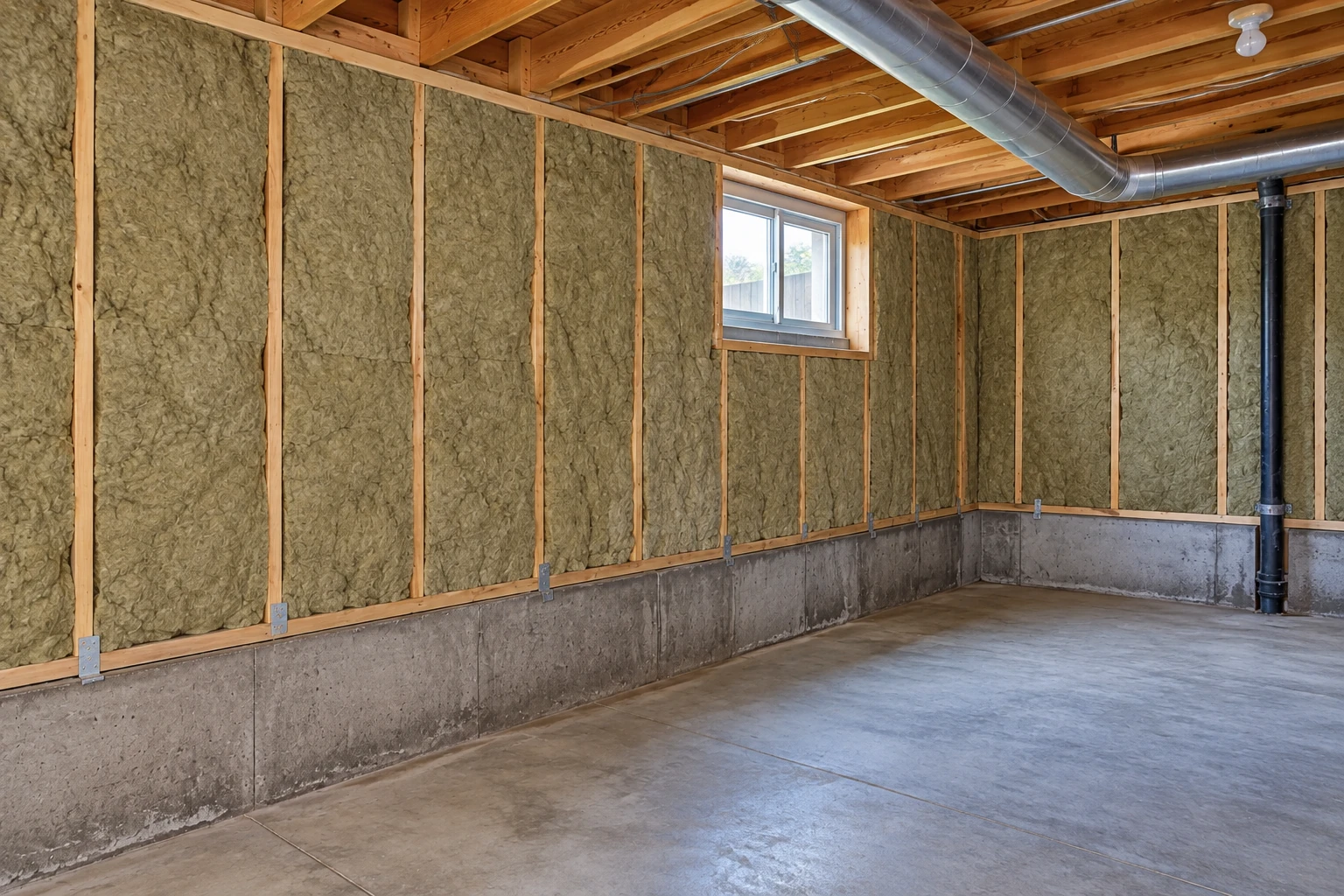
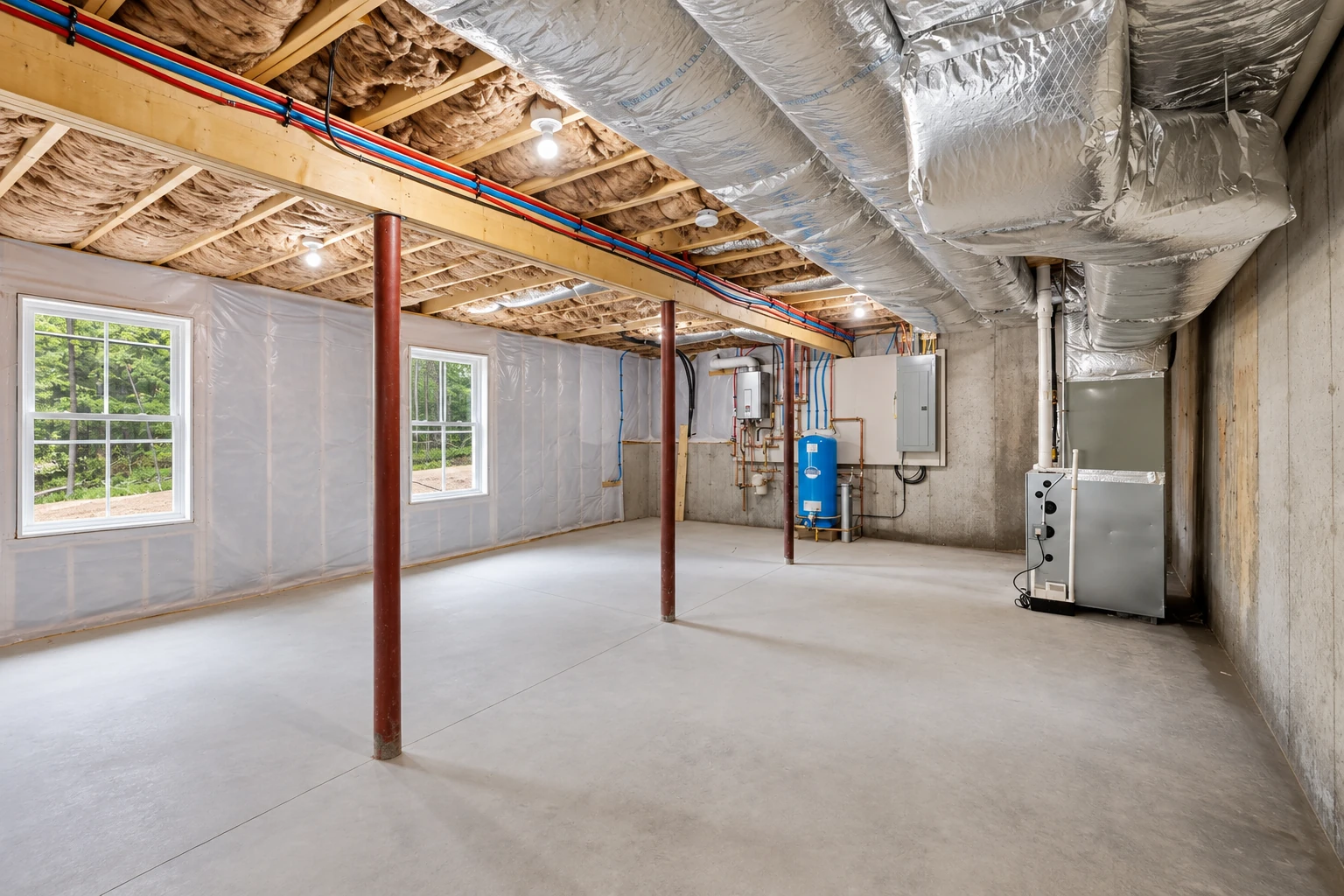
Basement insulation in Menifee means insulating the basement walls or the floor above them, depending on how you use the space. It helps homeowners with cold floors upstairs, a damp, chilly basement or a lower level they want to finish and actually live in.
Most basement calls start upstairs, with cold floors or rooms that won't stay comfortable, or downstairs with a space that always feels damp. The decision that shapes the whole job is whether the basement becomes living space, so that's the first thing I'll ask you. Before we start, clear a few feet along the walls and get boxes away from the ceiling so the crew can reach everything.
The price comes down to the square footage, whether we're doing the walls or the floor above, which material goes on and whether anything has to be fixed before insulation goes in. The schedule turns on that same fix and on whether the job needs a permit, which we sort out for you. After I look, you get a written scope with the estimate, so you know what we're doing and why.
How we handle basement insulation
Water gets fixed before anything else
With a basement, water comes first. If the walls are taking on water, that gets fixed before we talk about insulating the walls or the floor above, because insulation over a wet wall only hides the problem while it gets worse. Drainage, any furnace or water heater burning fuel down there and radon should be looked at too, since those are health and safety questions, and anything that needs work comes ahead of the insulation. Downspouts or low ground sending water at the foundation should be turned away first as well.
Choosing foam for basement walls
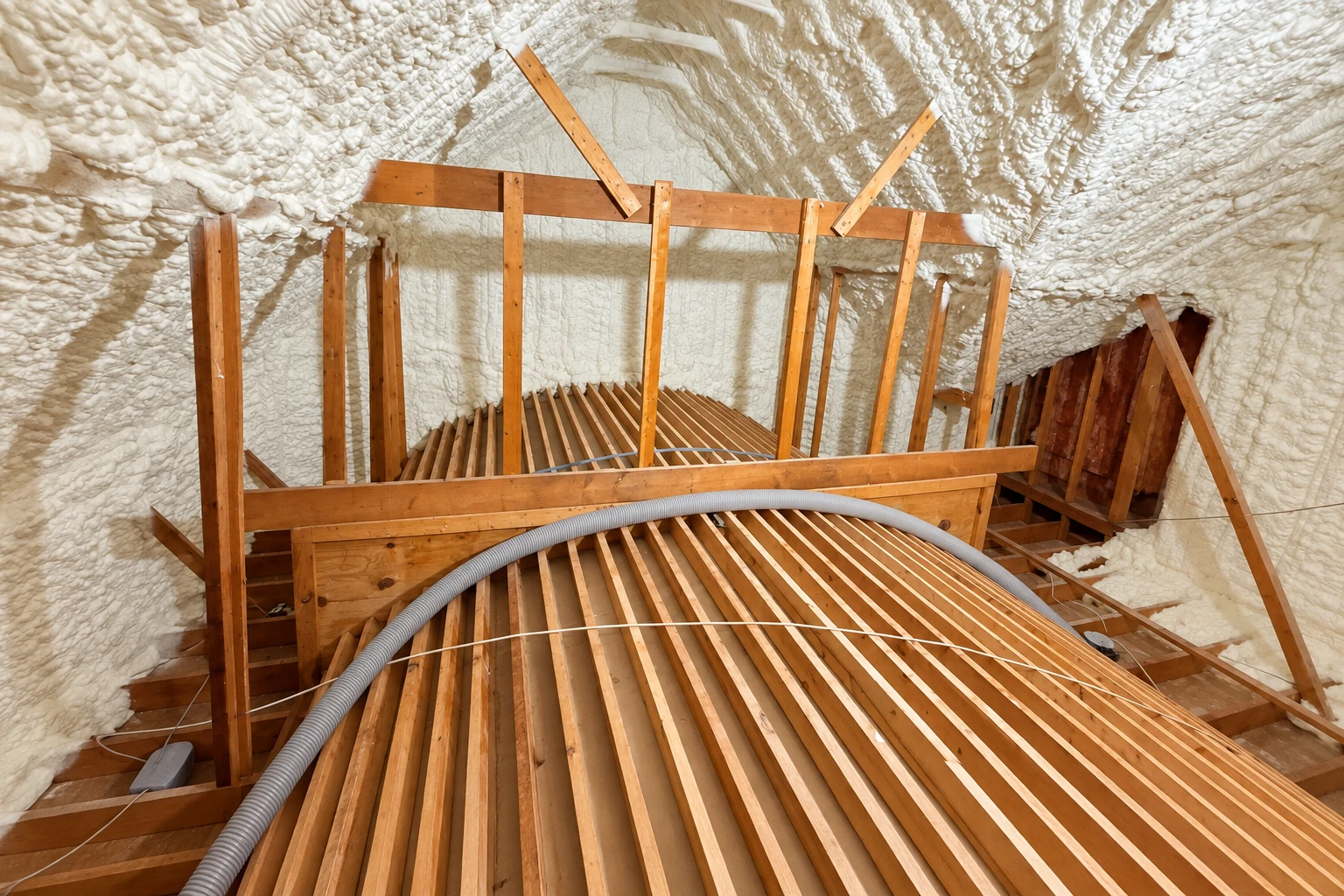
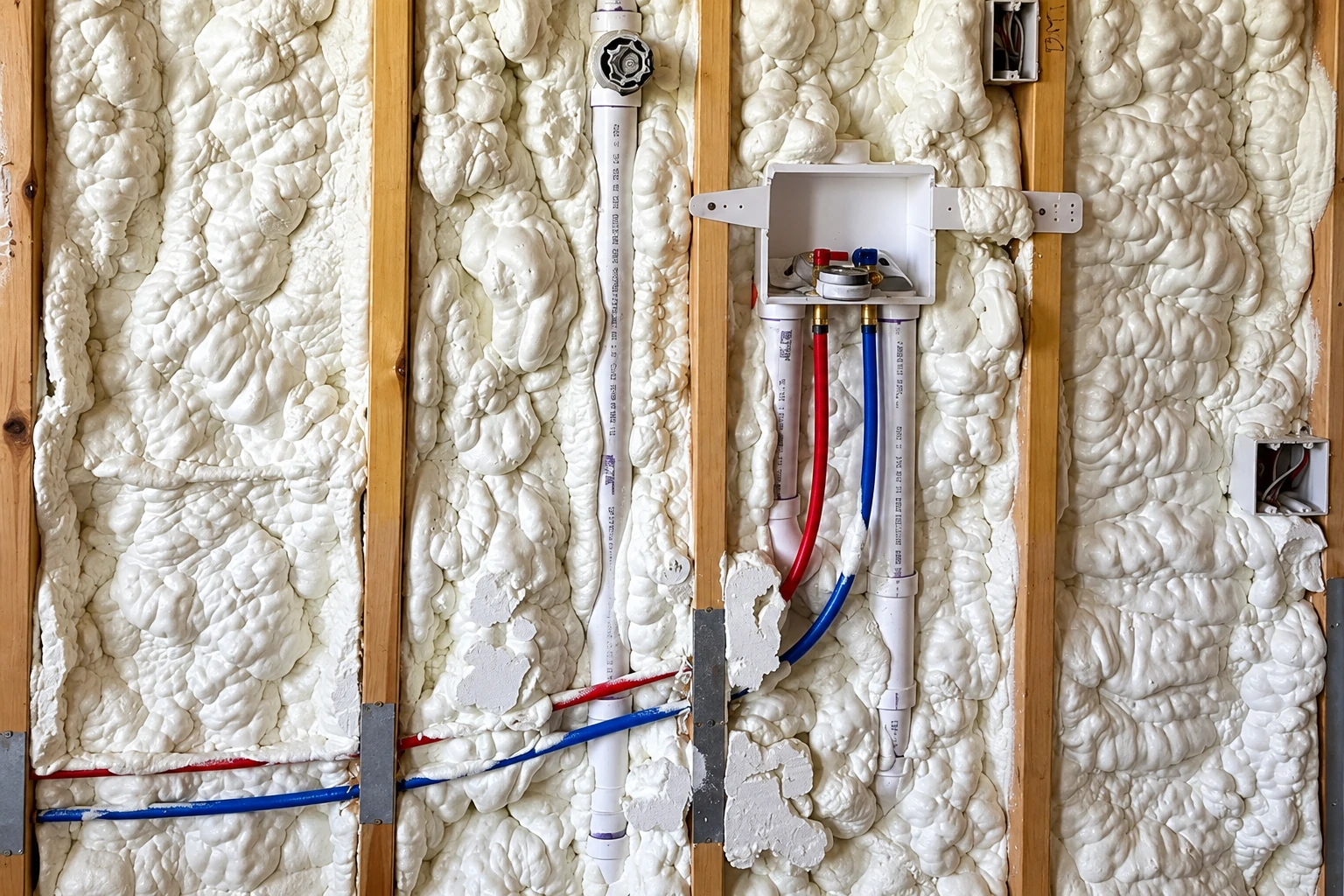
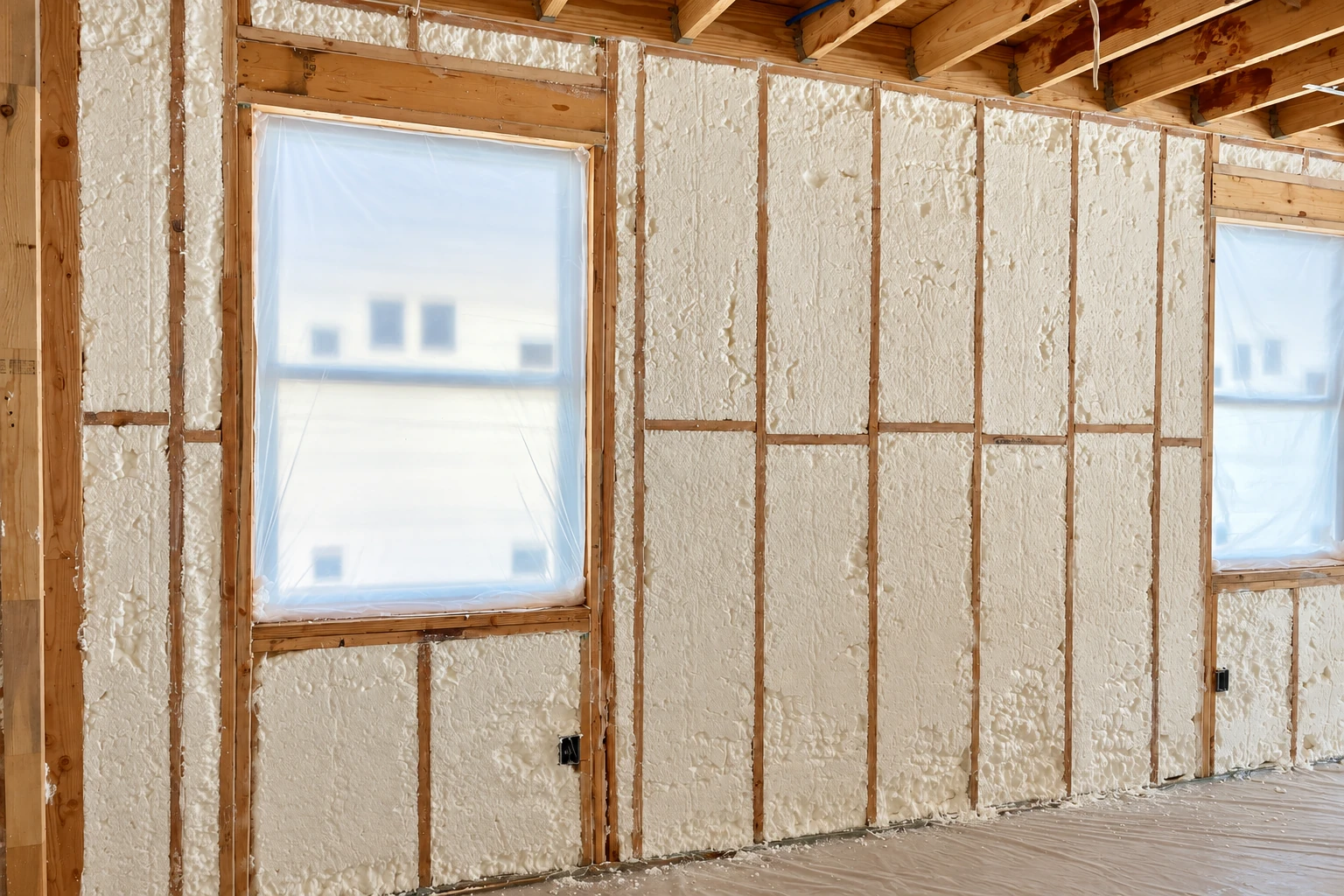
National building research ranks closed-cell foam insulation first for moisture control on the inside of a basement wall, because the dense foam blocks moisture as well as air. Open-cell foam insulation seals air well too, but it has to go on thicker to do the same job against moisture. Foam costs more than batts, and if damp is your main worry, I'd still pick closed-cell. Foam board gives an even layer across the wall but makes running wires and pipes harder later.
Batts on walls or the floor above
Fiberglass batts cost less than foam, and they're what usually goes between the floor joists when the basement stays unused. On basement walls, guidance favors batts with a kraft paper facing, or latex paint on the drywall, rather than plastic sheeting, since plastic inside a fiberglass wall can trap moisture. If you're leaning toward batts, ask me about the facing. In the floor above, we air seal first, closing the gaps around pipes and wires, so the batts aren't fighting a draft.
Get a written scope for your basement
Send the form with your basement's square footage and any signs of water coming in, and we'll reply within one business day. I'll come out for a free, no-obligation estimate on site and send you the scope in writing.
(951) 430-8005What happens after you call us
I look at the basement
I come out and look at the basement walls and the floor above. I point out anything that has to be fixed first, then send you a written scope with the estimate so you can see what we'd do and why.
We sort out the permit
Once you say go, we find out whether your address falls under the city or the county and pull the permit if one's needed. When the City of Menifee reviews plans, it estimates 14 business days for the first round and 10 for each one after.
We do the work, then walk through
Our crew handles the prep and the insulation. With a permit, the city inspects at set stages, and each inspection has to pass before the final one. When we're done, I walk you through what we did.
Basement insulation questions from Menifee homeowners
Should I insulate my basement walls or the floor above it?
Insulate the walls if the basement will be heated and cooled as part of the house, and the floor above if it won't. Floor insulation usually goes between the joists, which keeps the cold below the rooms you use. If you might finish the basement later, tell me, because that changes the answer.
Does spray foam in a basement have to be covered?
Yes, spray foam has to be covered with ignition-barrier paint, a coating made to slow a fire, or with drywall. Foam board needs covering too for fire reasons, apart from some foil-faced boards. That covering is part of the job, so it shows up in the scope I send you.
How much does it cost to insulate a basement?
Insulating a basement usually costs about $4.50 to $6.40 per square foot across the US. That's the going rate nationally for the insulation work, not our price. Your own number comes with the written scope after I've seen your basement and know what needs fixing first.
Who is allowed to install insulation in California?
A contractor holding the C-2 Insulation and Acoustical license from the state licensing board can install any insulation for temperature or sound. Someone without a license can only take small jobs under $1,000 that need no permit and where they employ no one. In Menifee, any contractor who pulls a permit also needs a city business license.