
We're based in Menifee, and calls here usually start with a room that won't stay comfortable: the hot upstairs, the room over the garage, cold floors or a power bill that keeps climbing. We also hear from people fixing up older houses and from property managers. I spent years in HVAC running duct through attics before I switched trades, and I crawled past a lot of insulation that was done wrong or never done at all. That's what got me into this work.
We do the same work in Murrieta, Perris and the other cities around us, and what decides the job is the house, not the ZIP code: how old it is, what's already in the attic and whether the ductwork runs up there.
Start with what's already in the attic
I come out and look at the attic myself before we price anything, because what's already up there decides the job. I check how many inches you have, whether it's been soaked by a roof leak or filled with droppings, and what the wiring and ductwork look like. Fresh insulation laid over a wet or dirty layer just hides the problem, so the old material comes out first when it needs to, and a leak or a wiring problem gets fixed before anything covers it. If your attic is in decent shape and adding more won't buy you much, I'll tell you that too.
Seal the gaps before insulating
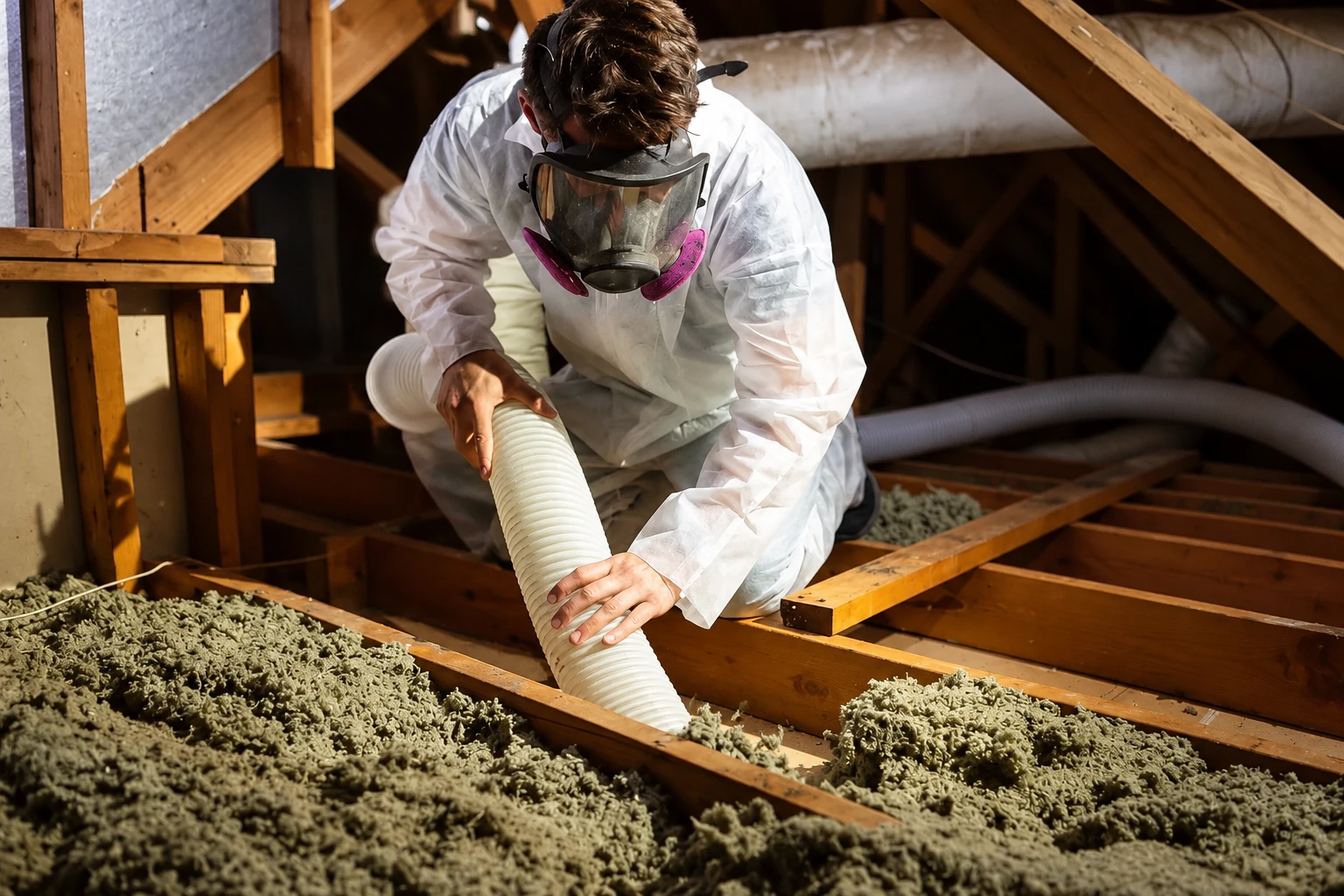
We do the air sealing first, closing the gaps where air moves between your rooms and the attic, because insulation on its own won't stop a draft. The usual spots are around can lights, pipes, wires and the attic hatch itself. Then we keep the eave vents at the edge of the roof clear, since a buried vent stops the attic from breathing and moisture starts showing up in the framing. The last thing we watch is depth at the edges, where it tends to come out thin over the outside walls while the middle gets piled high. That's backward, and it can be why the room over the garage stays hot.
What moves the price and the schedule
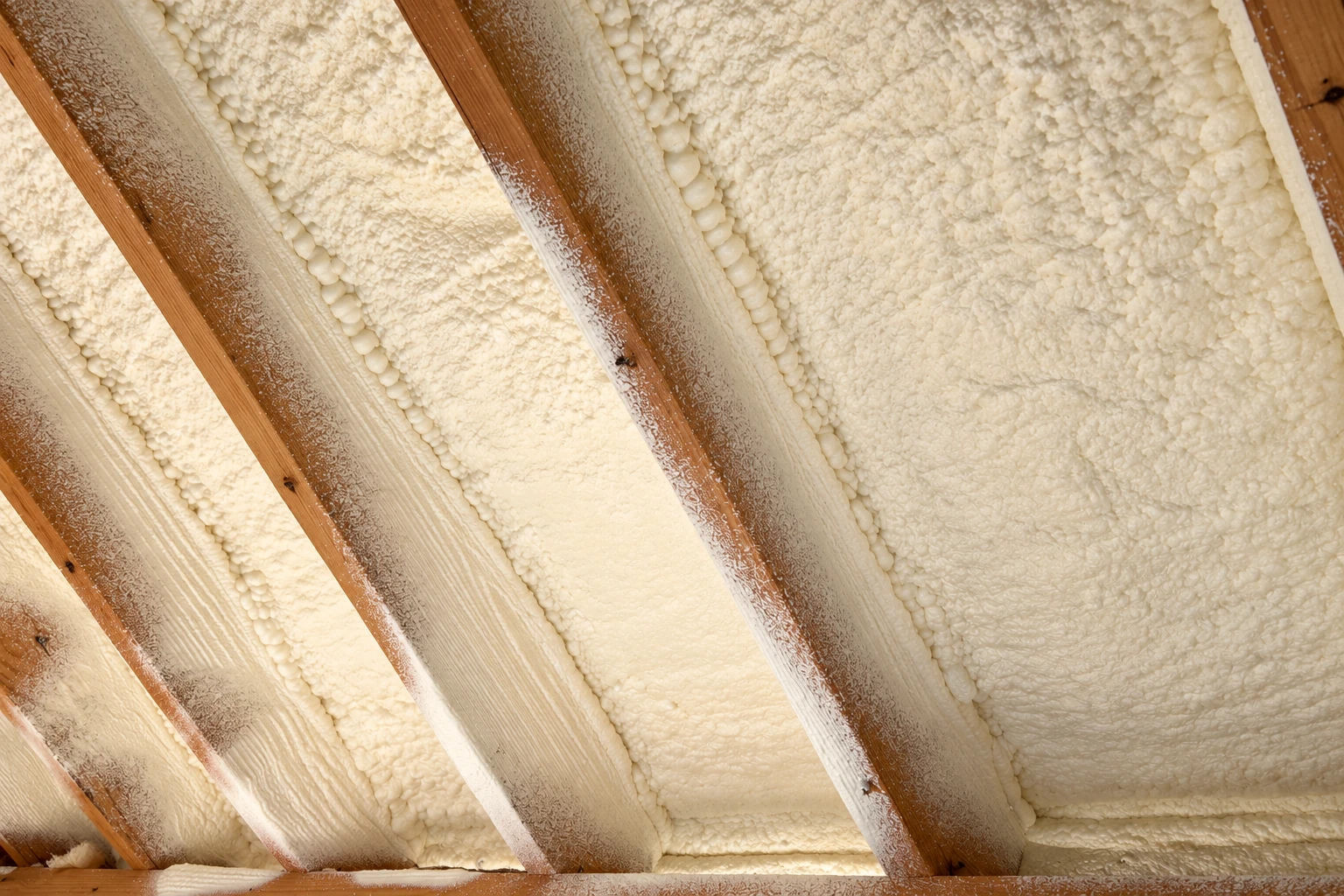
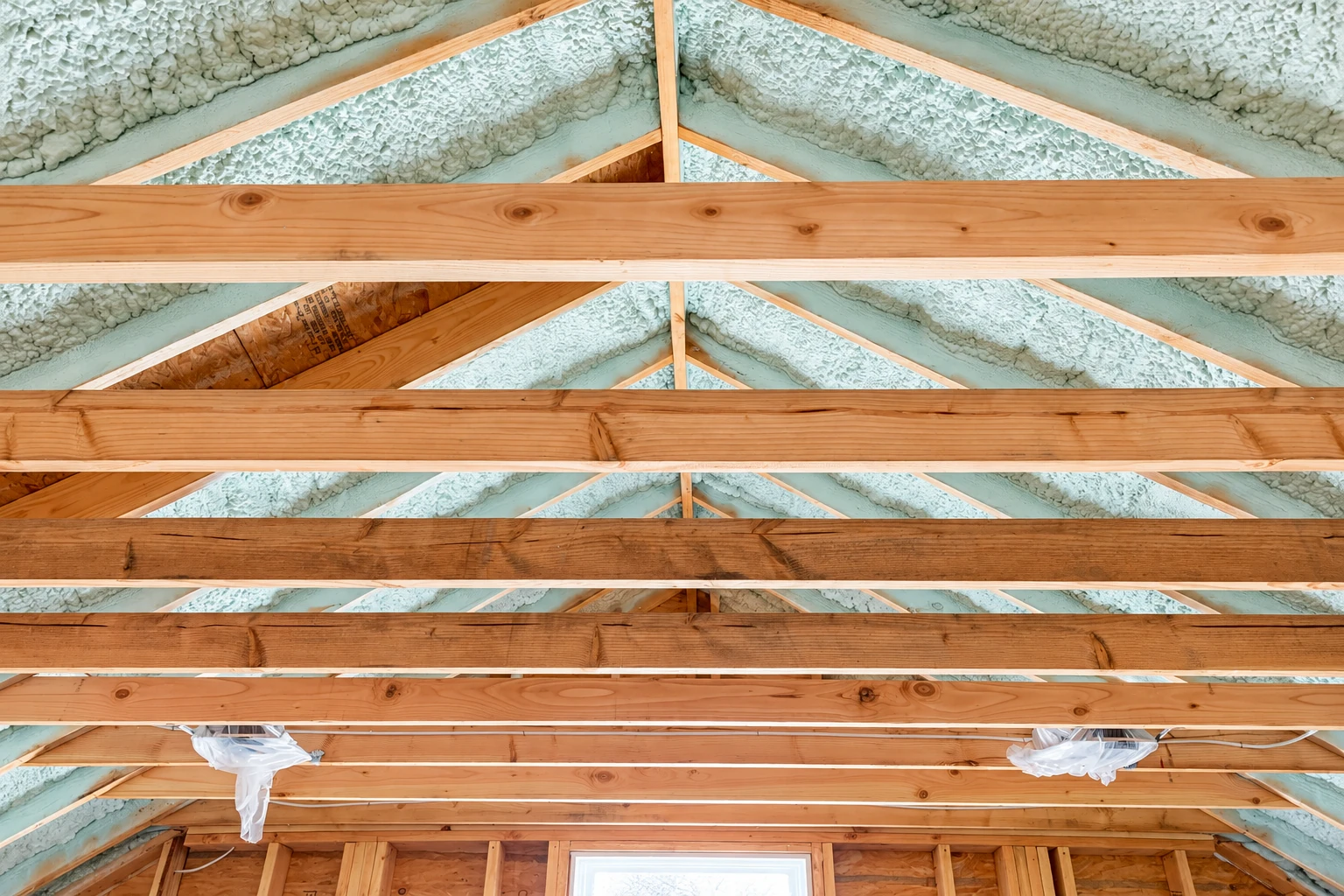
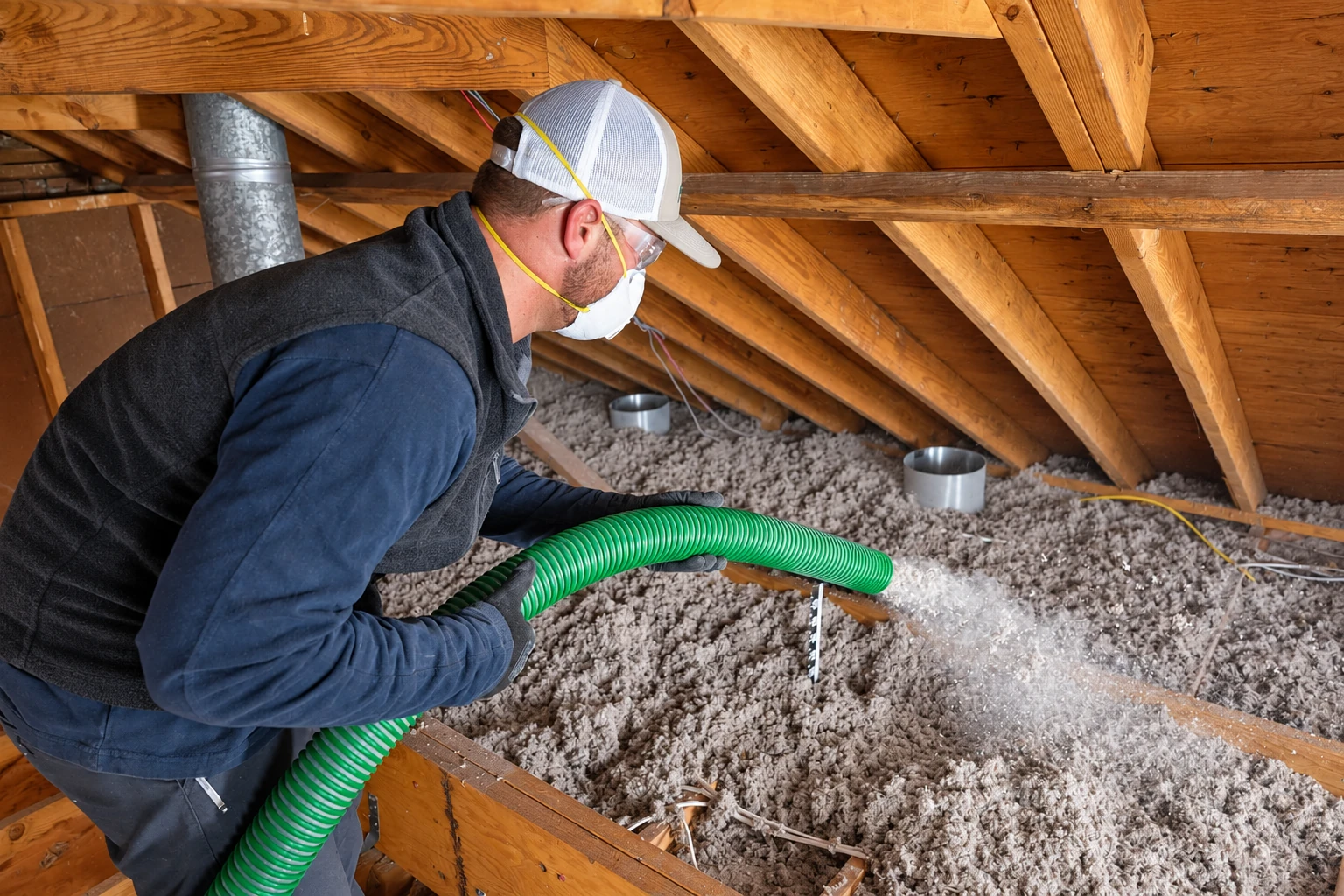
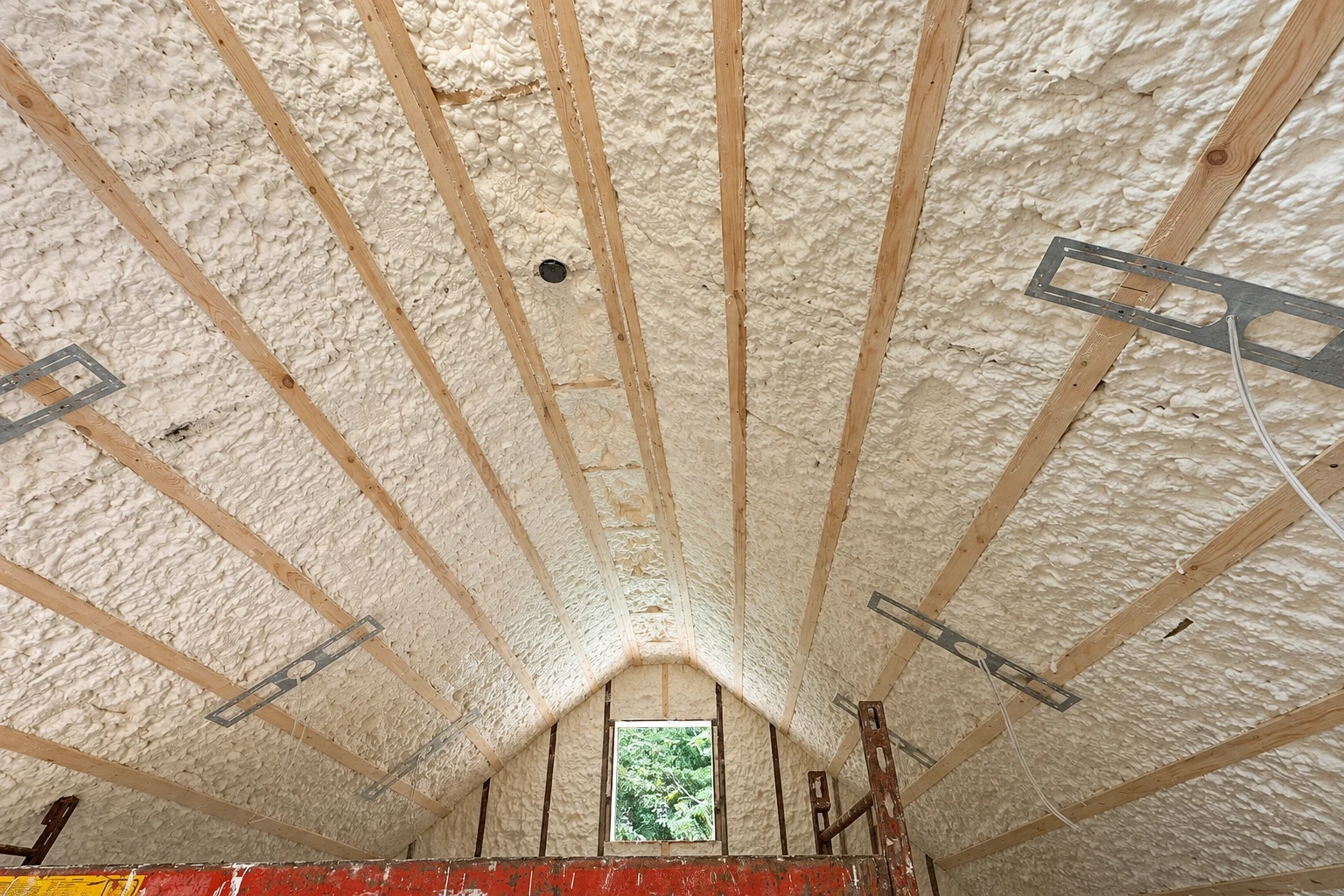
The price comes down to the size of the attic, how hard it is to get into, whether the old insulation has to come out first and how much sealing it needs. The material matters too. Spray foam insulation costs more and seals air while it insulates, but for most attics, sealing the gaps and topping up with blown-in insulation, loose fill we blow in through a hose, does the job for less. Foam starts to make sense when your ductwork runs through the attic. The schedule turns on the same things, plus a permit if your job needs one. After I've seen it, you get the scope in writing so you know what we're doing and why.