
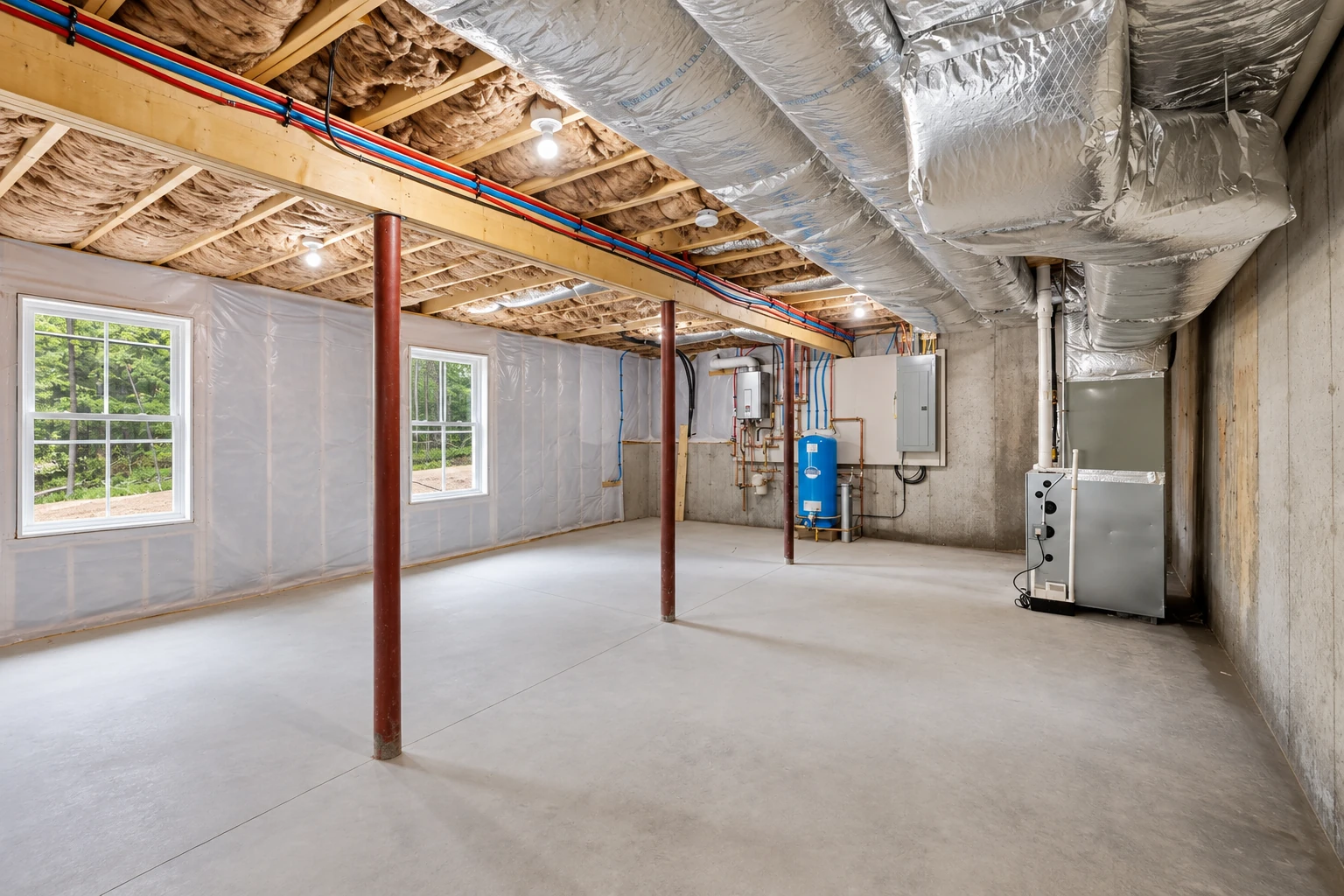
Mead Valley is unincorporated, so there's no city hall setting the rules for your house. Riverside County does that, and it's the county we deal with on any permit question. A lot of homes out here sit on bigger, open lots, and we see everything from older single-story houses to newer builds. Plenty of them have an attic nobody has touched since the house went up, with a few inches of settled insulation and gaps all around the hatch and the pipes.
We're a Menifee insulation contractor, fully licensed and insured, and I started the business there in 2017. We do the same work in Perris and Canyon Lake. Dust and dry wind off open ground find every crack in an older house, so on most jobs out here, sealing the gaps matters as much as the inches we add.
What sets the price and the schedule
The price turns on how big the attic is, what's already up there and what has to come out first. If the old insulation is thin but clean, we seal the gaps and top it up. If it's soaked from a roof leak or full of droppings, it gets pulled before anything new goes in, and that adds labor and haul-off. A tight hatch or a low roof slows the crew down. The schedule mostly depends on removal and on whether the county wants a permit. At the estimate I measure how many inches you've got, look at the vents and ducts, and put the scope in writing so you can see what you're paying for.
We fix the attic before we fill it
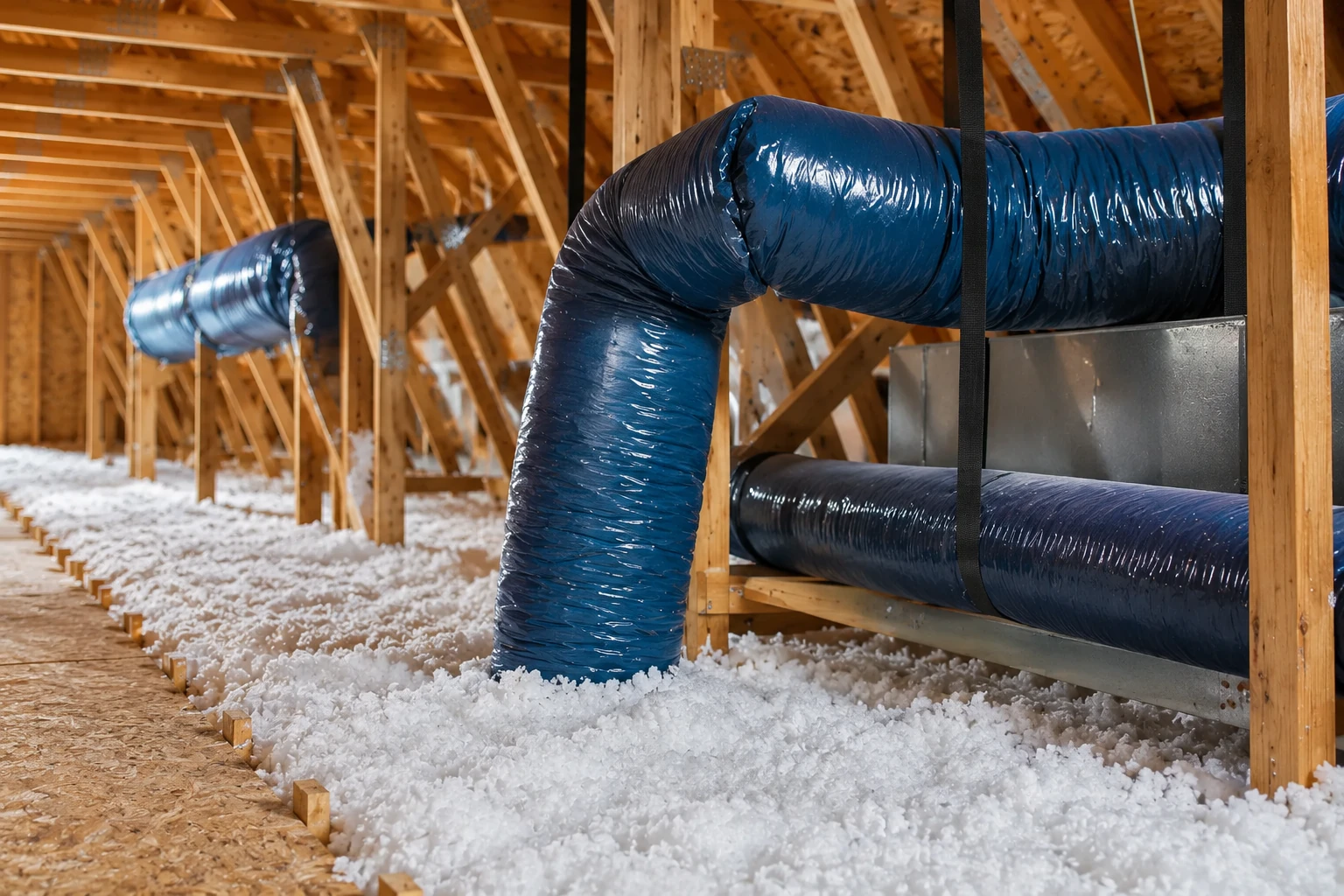
I spent years in HVAC crawling past insulation that buried the real problem, so we work in order. Roof leaks and bad wiring get flagged and fixed first, because covering them up just means you pay twice. Then our crew does the air sealing, closing the gaps around can lights, pipes and the hatch, so the new insulation isn't fighting a draft. We keep the eave vents clear so the attic can still breathe, and we carry the fill full depth out to the edges, where it usually runs thin. If your attic isn't worth redoing, I'll tell you that instead.
Foam, loose fill and the room over the garage
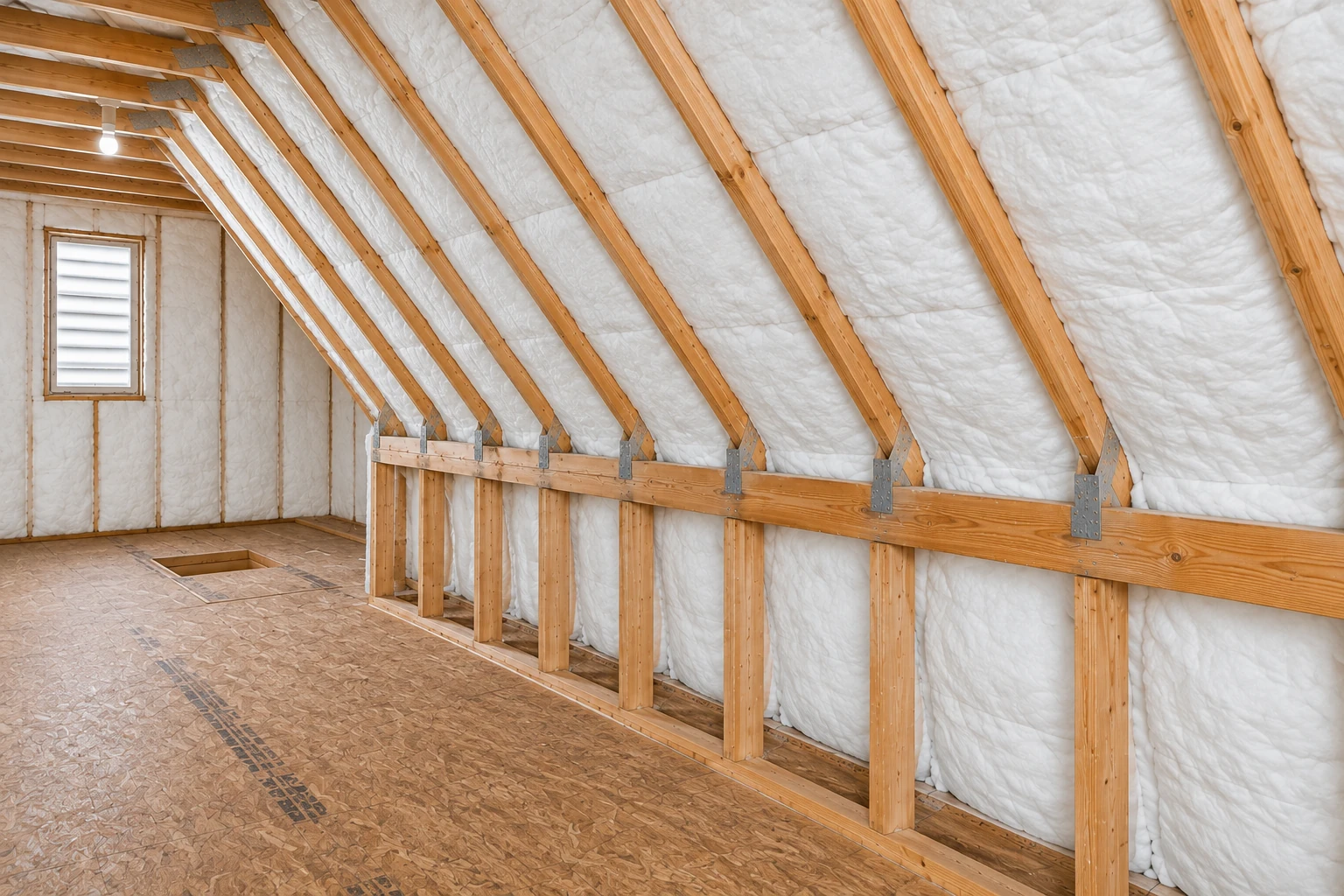
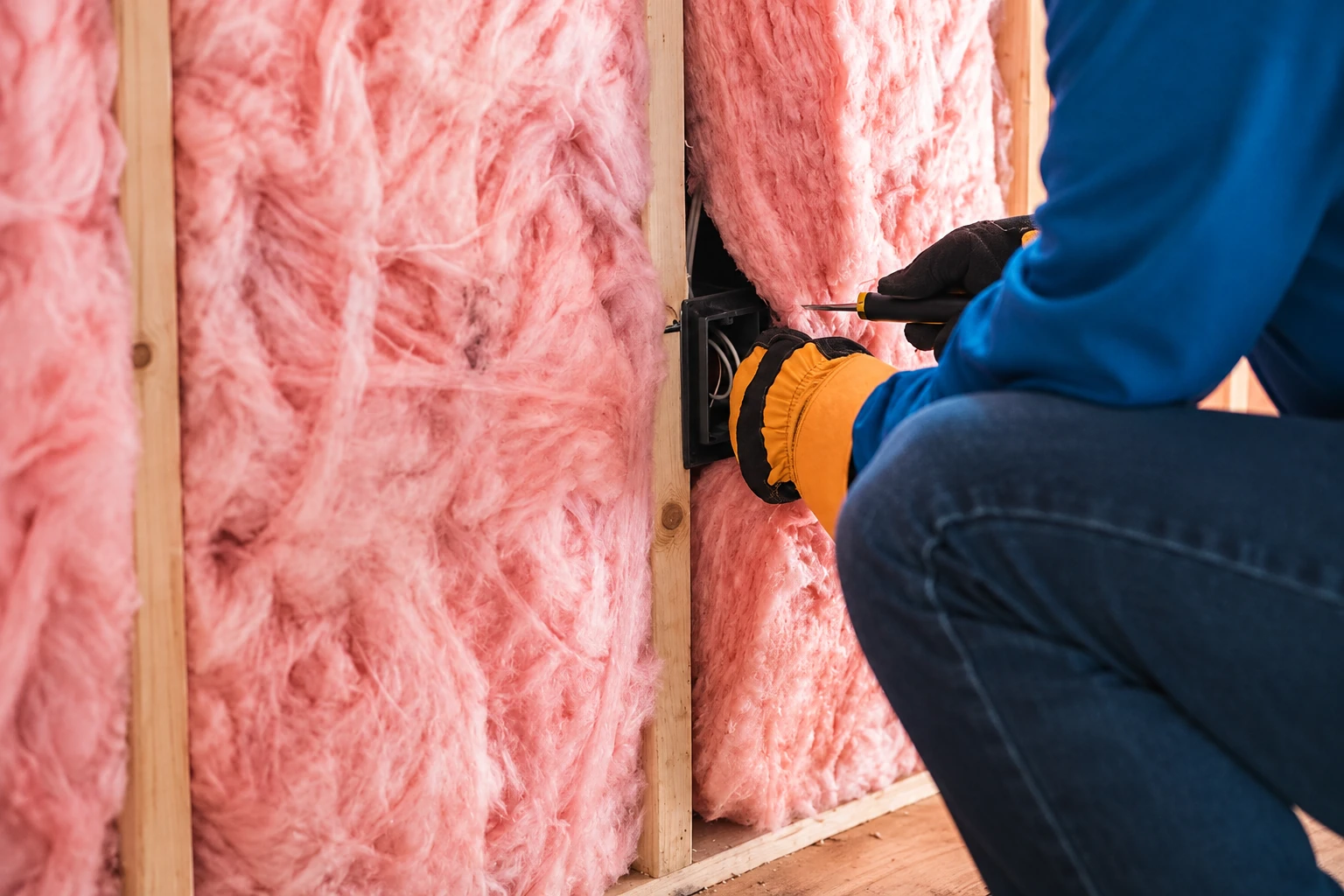
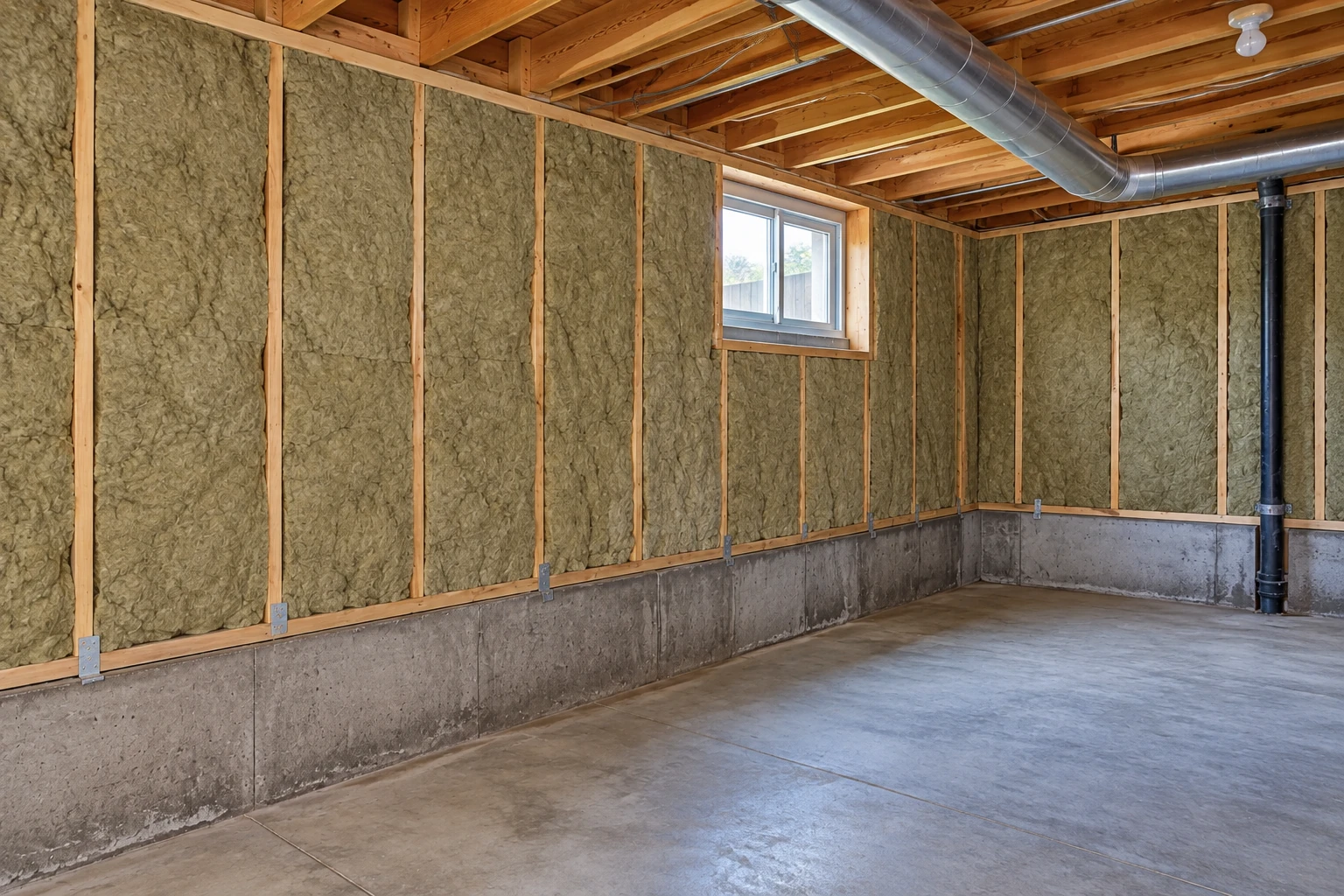
For most attics here, sealing the gaps and topping up with blown-in insulation, loose fill we blow through a hose, is the better buy. Spray foam costs more and seals air while it insulates, so I only push it when the ductwork runs through the attic and the upstairs still won't cool down. A hot room over the garage or cold floors usually come from thin spots in the walls or the floor below, and that's where wall insulation or crawl space work pays off. We'll tell you which one your house needs and which isn't worth the money.