
I come out from Menifee to look at jobs in Homeland, the same as I do in Nuevo and the other cities around us. Homeland is one of Riverside County's unincorporated communities, so there's no city hall here, and the county sets the rules your job follows.
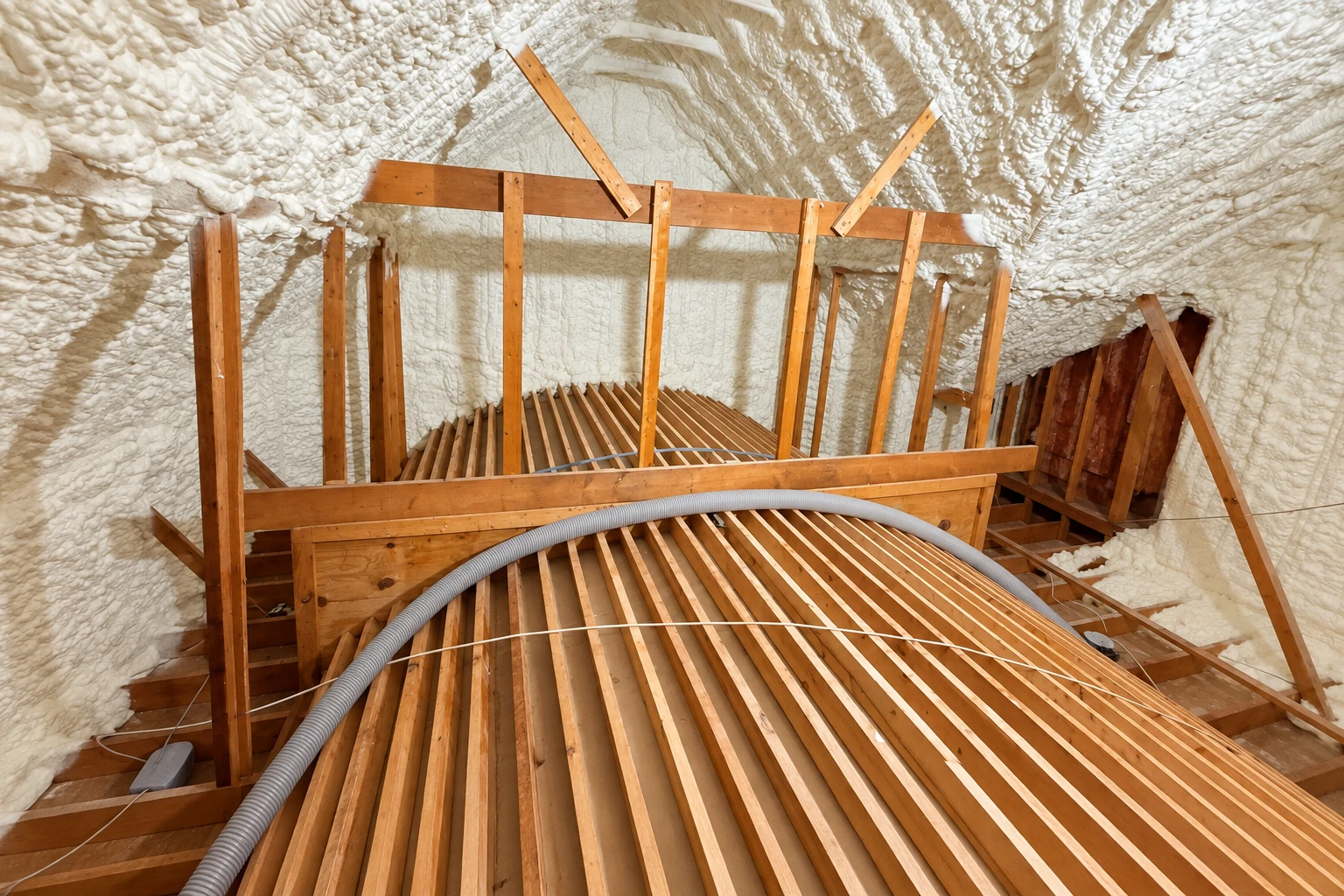
Across this part of the county, most calls start the same way. The room over the garage is hot by afternoon, a back bedroom never warms up in winter, or the power bill keeps climbing. When I get up in the attic, the cause is usually less about how much insulation there is and more about where it sits and what it's covering. Older houses tend to have thin, settled insulation and gaps nobody ever sealed, so the job out here starts with what your attic is actually doing, not with a truckload of material.
What moves the price and the schedule
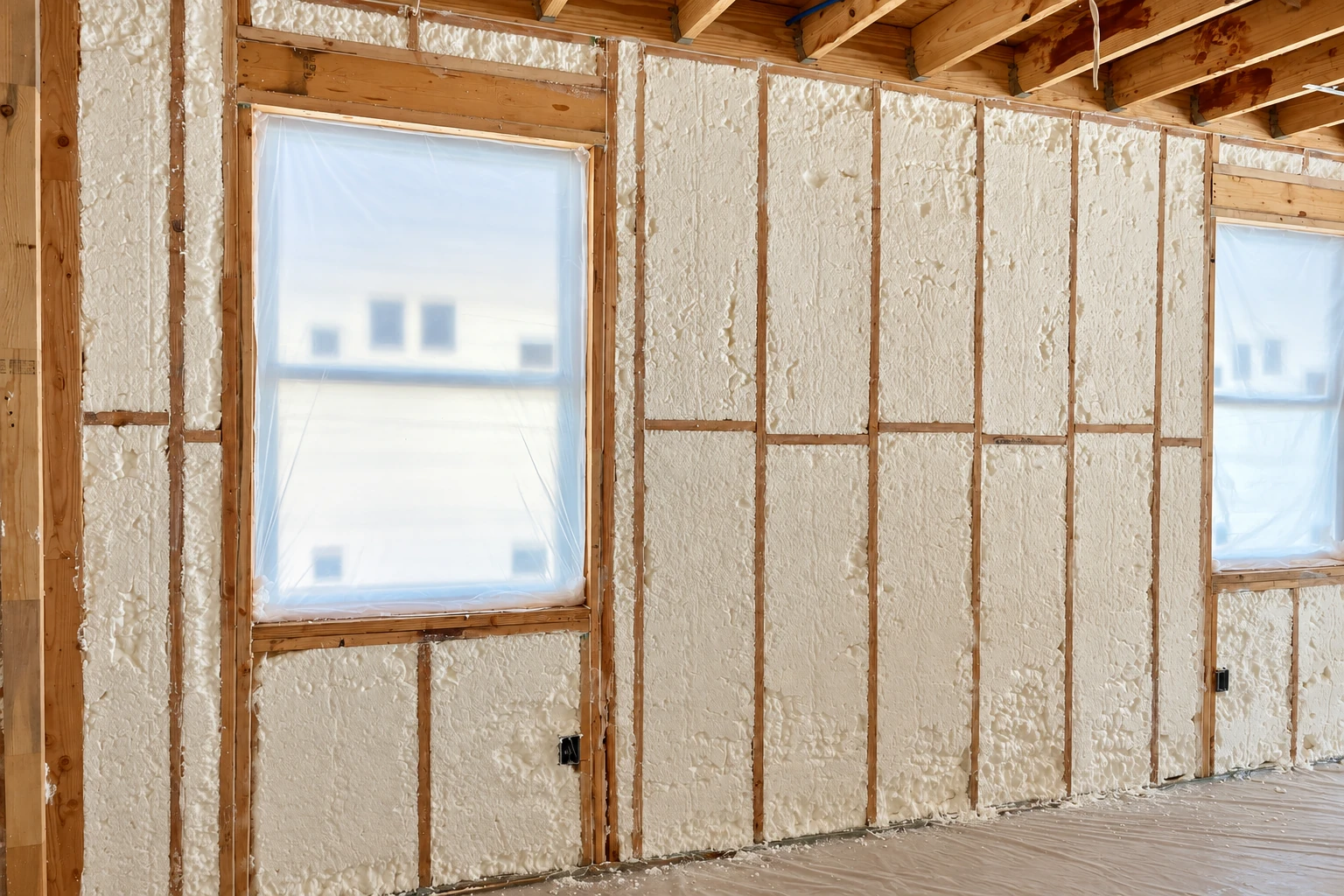
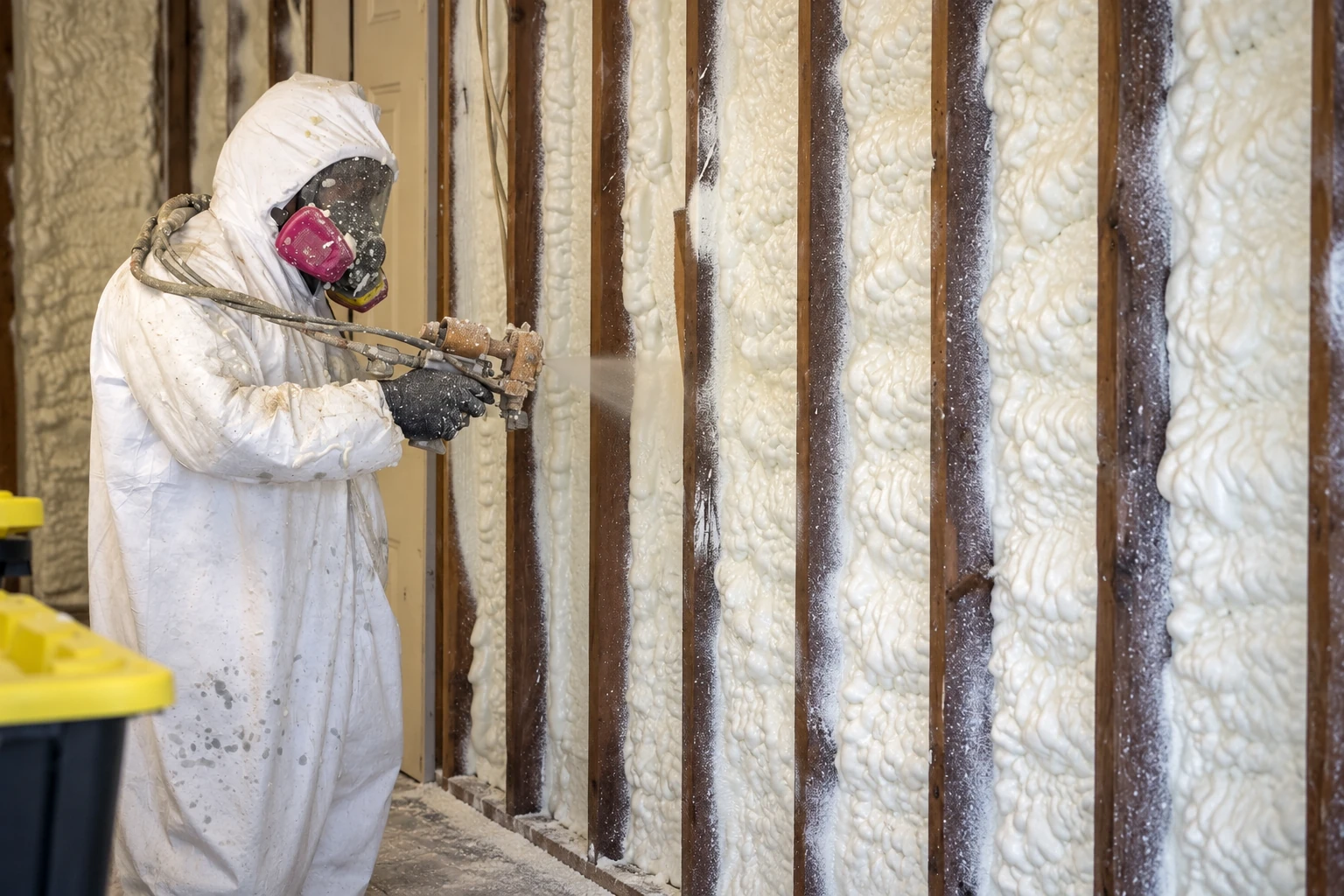
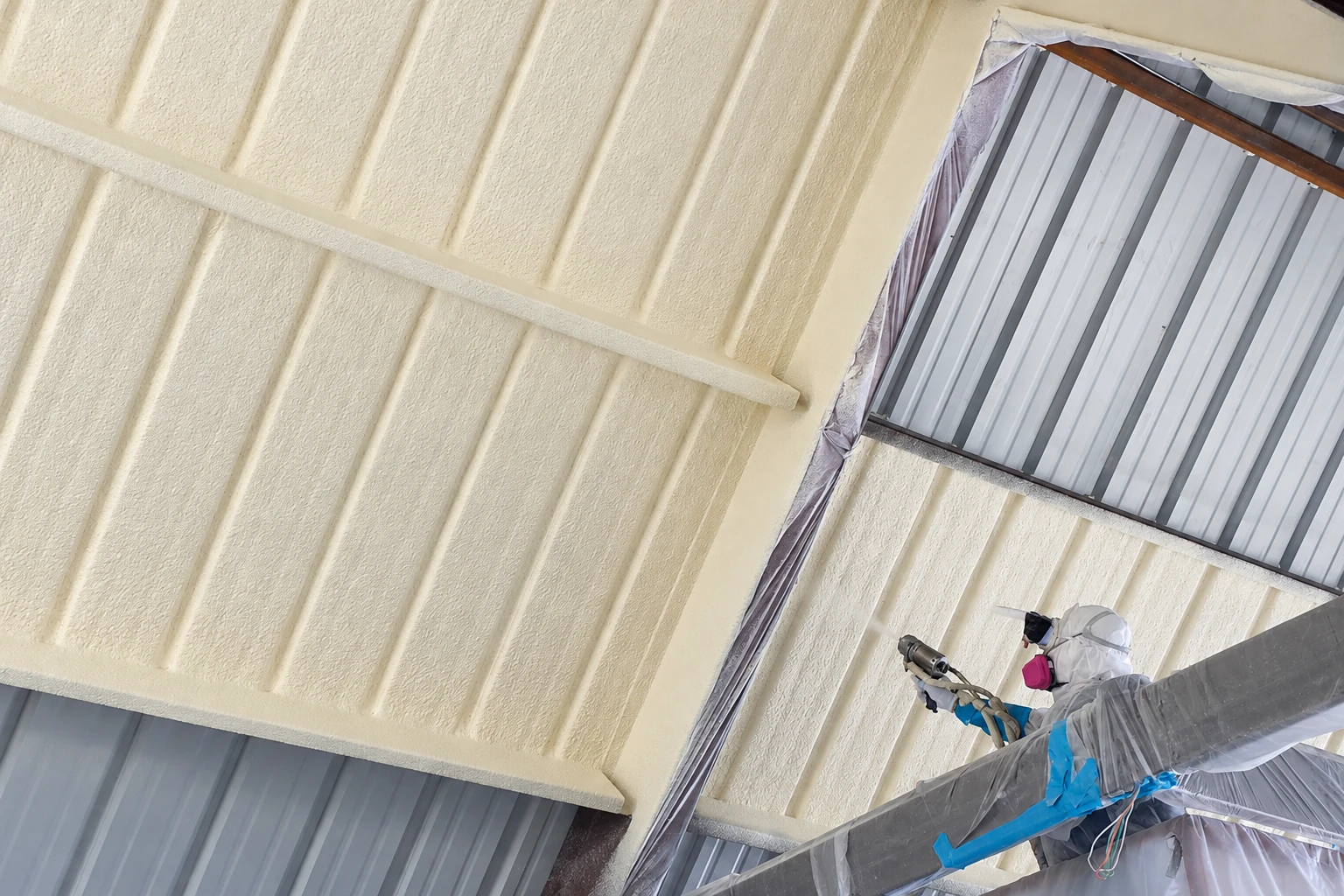
The price mostly comes down to how big your attic is, the material you pick and what has to happen before anything new goes in. Old insulation that has to come out, a lot of gaps to seal, or ductwork running through the attic all add work, and a tight attic or a hatch in a closet slows the crew down. The schedule turns on the same things, plus whether the county needs a permit for your job. After I look, you get the scope in writing, so you know what we're doing and why before you decide.
Why we seal the gaps before anything else
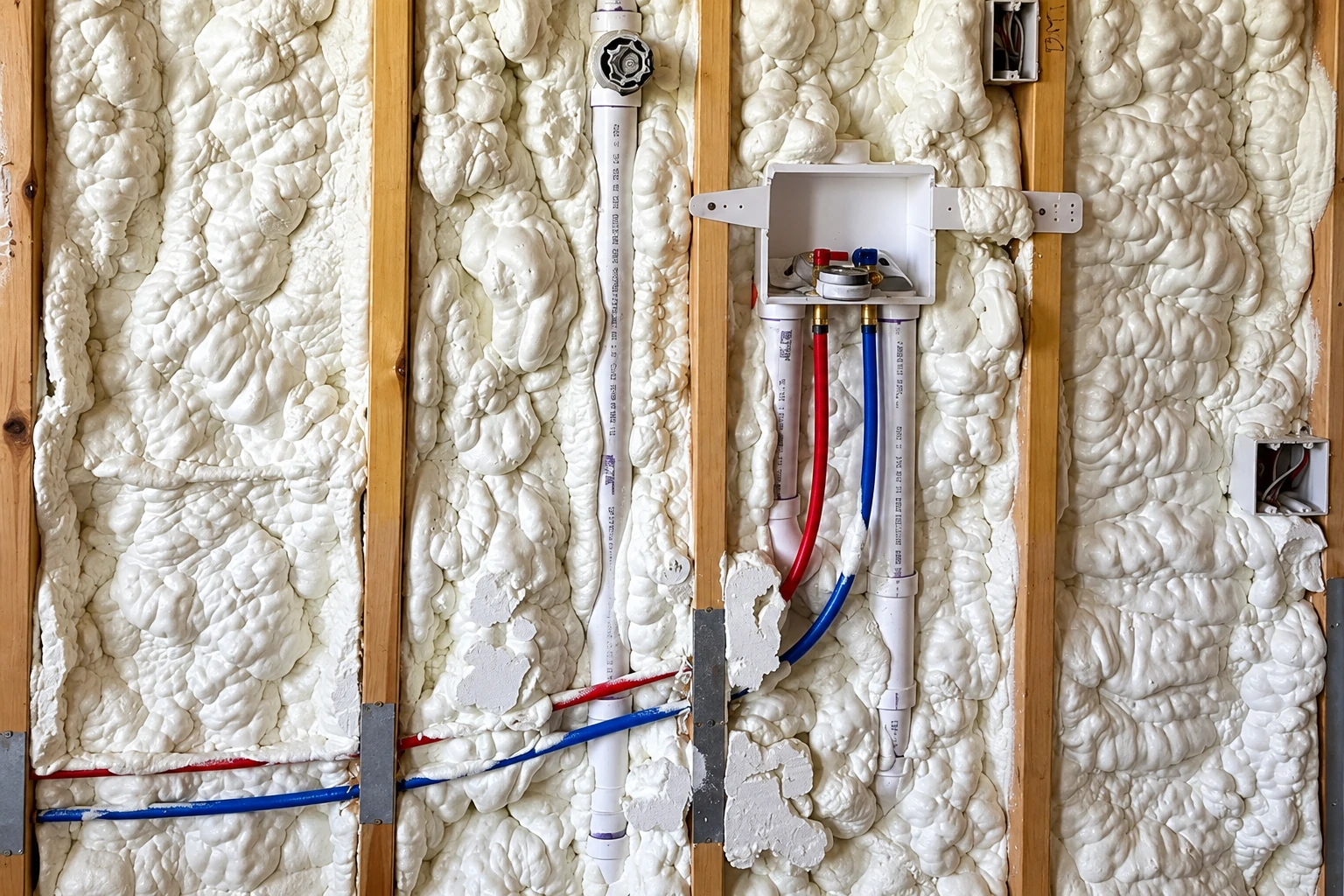
Riverside County gets hot, dry Santa Ana winds every year, and the sand and dirt they carry can wear down building materials. In an attic, that wind finds the gaps around can lights, pipes, wiring and the hatch, and pushes dust and hot air right past the insulation. That's why we air seal first, closing those gaps before any insulation goes in, because insulation that's fighting a draft doesn't do much. We also keep the vents at the eaves clear, so the attic still breathes and moisture doesn't end up in the framing.
What's already up there decides the first step
Before anything new goes in, I check how many inches you already have and what shape they're in. Insulation that got soaked from a roof leak or filled with rodent droppings has to come out, because laying fresh material over it just buries the problem. The same goes for the leak itself or bad wiring, which need fixing before we insulate, so you're not paying twice. If what's there is dry and clean, we keep it and build on it. We also make sure the edges get the same depth as the middle, since rushed jobs tend to leave the eaves thin.