
Murrieta splits into east, central and west parts along I-215 and I-15, and we work on both sides of the freeways. A lot of what we see here is two-story tract housing, with some older homes on bigger lots mixed in, and the calls are usually about a hot upstairs, the room over the garage that never feels right or a power bill that keeps climbing.
It's the same work we do in Temecula to the south and next door in Wildomar, and we're based close by in Menifee. Two-story houses usually run the ducts through the attic over the bedrooms, so the job comes down to sealing around those ducts, the lights and the hatch, then getting even depth all the way out to the eaves where it's hardest to reach.
What moves the price and the schedule
Price comes down to what's already in your attic and what has to happen before anything new goes in. If the old material got soaked or is full of droppings, it comes out first, and that costs more than topping up clean attic insulation with a few inches already up there. Ducts, lots of can lights and a tight hatch slow the crew down, and spray foam costs more than sealing gaps and adding loose fill. The schedule turns on that same prep and on whether your job needs a city permit. I look at all of it in person, and you get the scope in writing so you know what we'd do and why.
Who handles the Murrieta permit
Murrieta has its own permit office, the city's Building and Safety Division, which handles the codes and clearances for work inside the city. The city asks you to confirm a property is actually inside Murrieta before applying, so your address is the first thing we check. Then we ask the division what your insulation job needs and pull the permit when one is required, so you're not the one calling around or filling out an application. If a permit does apply, we plan the start around the city's review instead of guessing at it. We're fully licensed and insured, and that paperwork is part of how we work here.
Fixing things in the right order
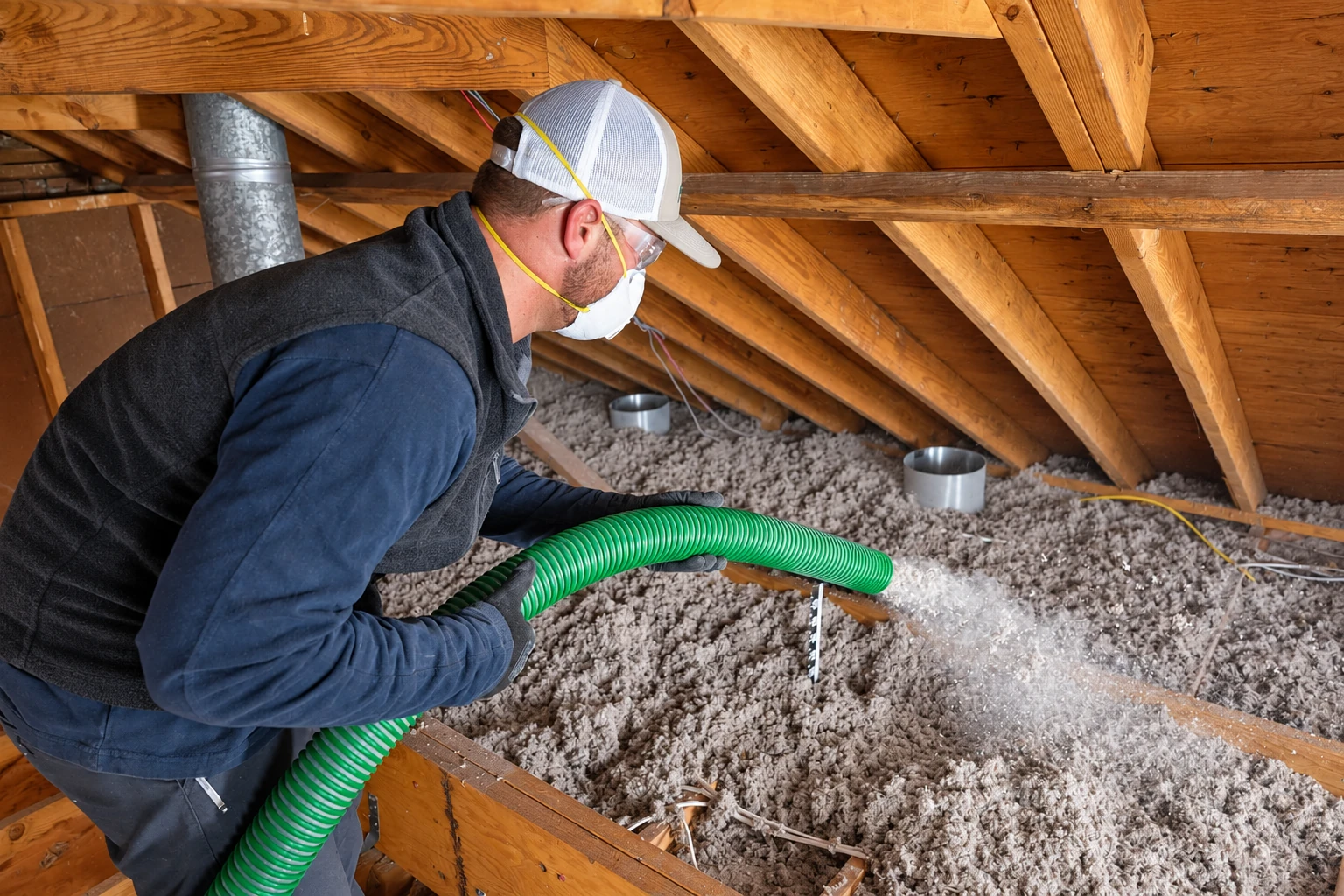
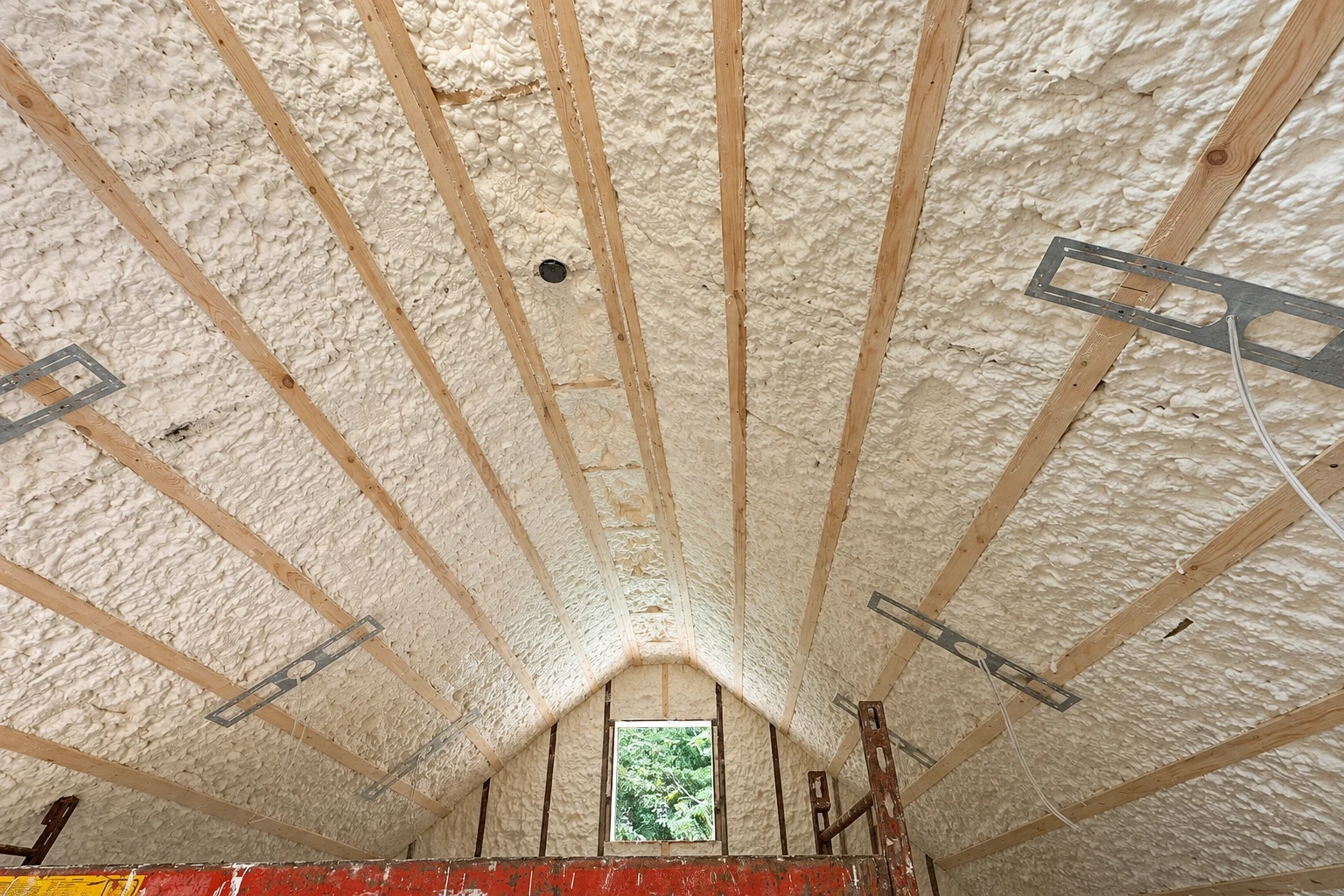
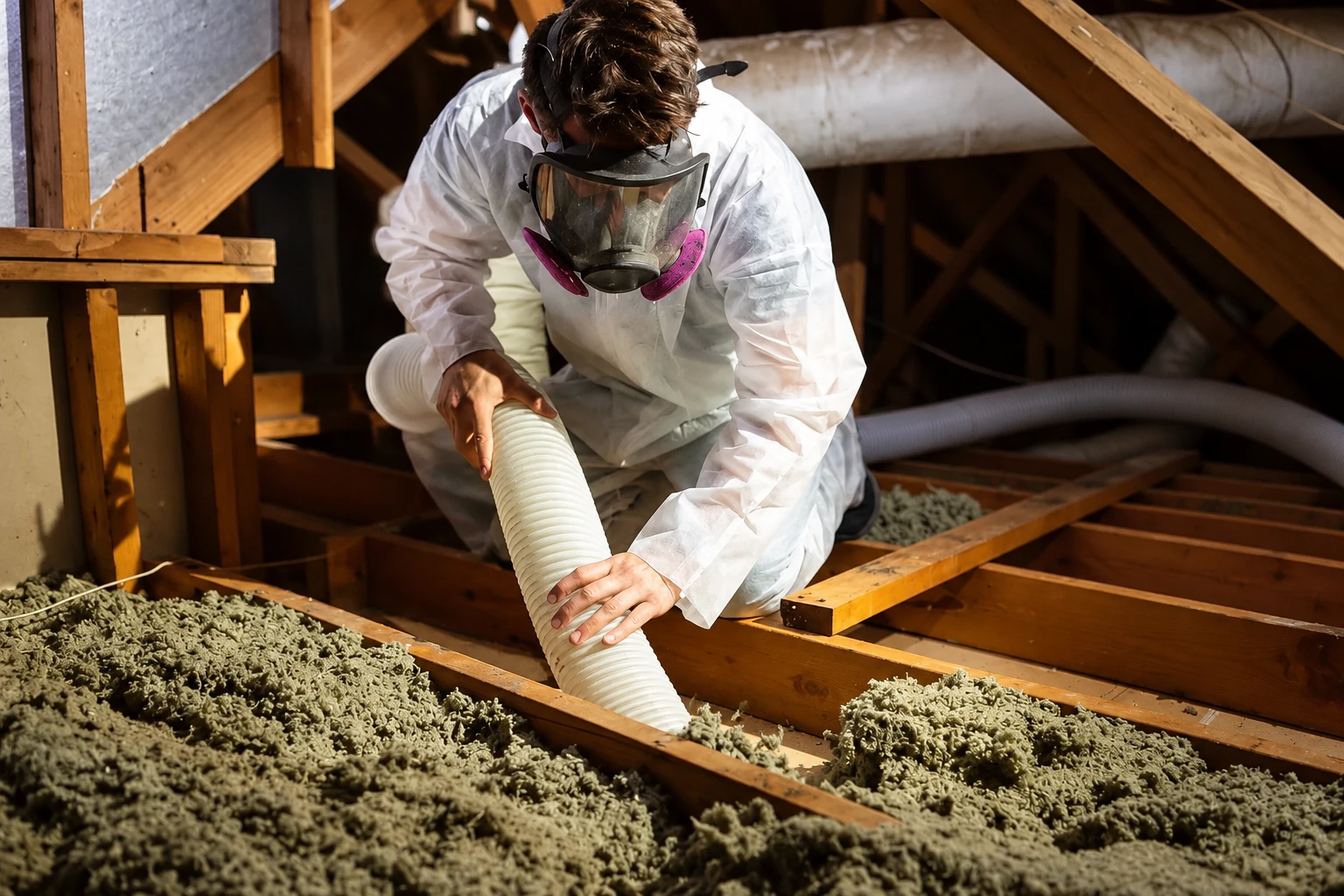
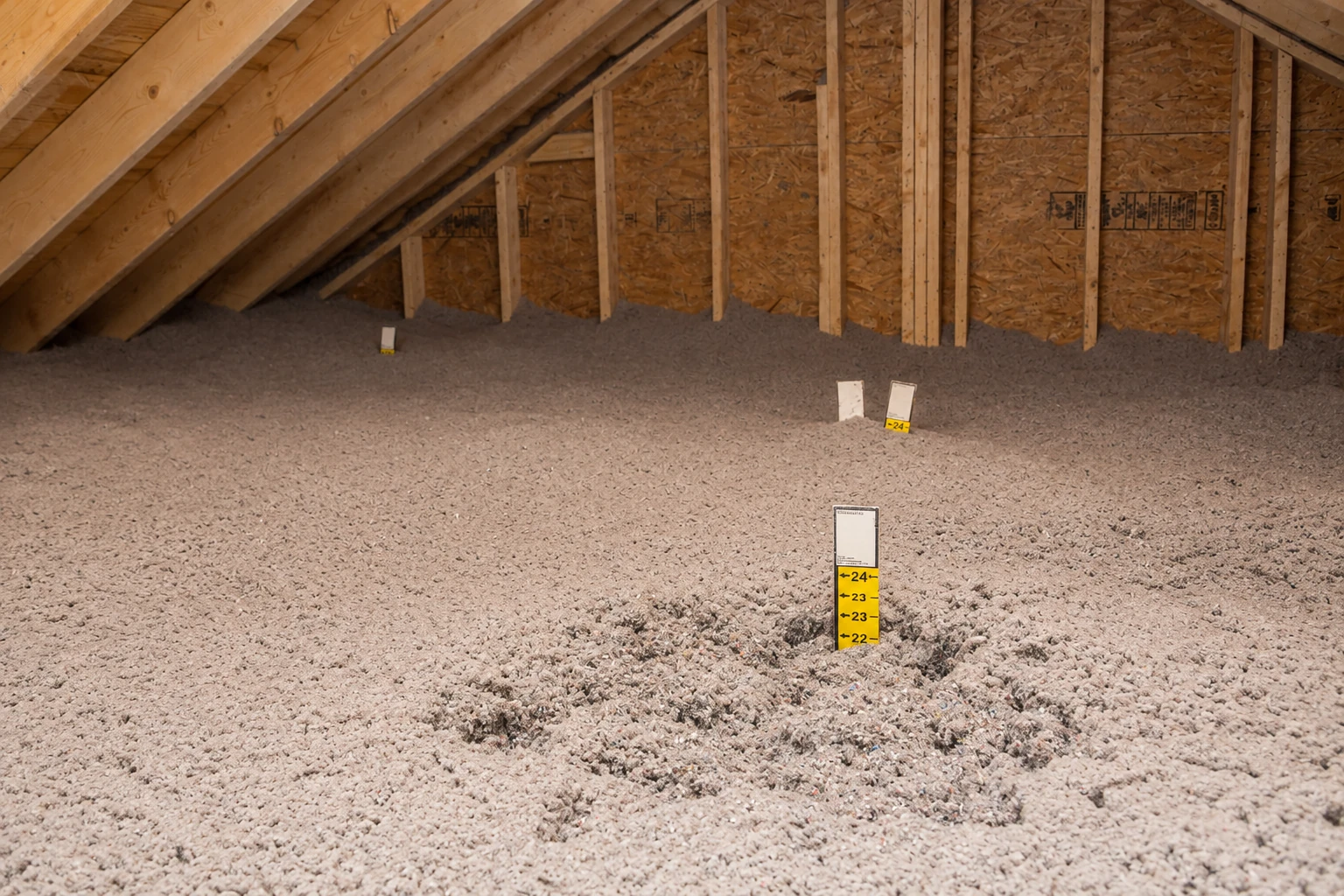
Most attic problems come from doing the steps out of order. New insulation over wet or dirty material keeps the problem, and open gaps around can lights, pipes and the hatch leave it fighting a draft. So we clear out what's bad, do the air sealing, closing those gaps, keep the eave vents open so the attic can breathe, then lay blown-in loose fill as deep at the edges as in the middle. Foam seals and insulates in one pass but costs more, and sealing plus loose fill usually wins unless the ductwork lives up there. In a lot of Murrieta houses it does, so that's a call I make once I've seen it, and I'll tell you if a job isn't worth doing.