
Perris is right up the road from where we're based, so the houses here look a lot like the ones we work on in Menifee and Mead Valley, and the calls sound the same: a hot upstairs, a room over the garage that never cools off, a power bill that climbs every summer.
The weather explains most of it. The March AFB weather station, about 8 miles away, averages August highs of 95°F and December lows of 37°F over its 1991 to 2020 records, so an attic here bakes in summer and pulls heat out of the house on winter nights. In the older neighborhoods closer to downtown we usually find a few inches of settled fill and gaps nobody ever sealed, and the newer tracts tend to have builder fill with little sealing under it, the same thing we run into in Lake Elsinore. Either way, what's already up there decides the job, because new insulation only works on an attic that's dry, clean and sealed.
What moves the price on an attic
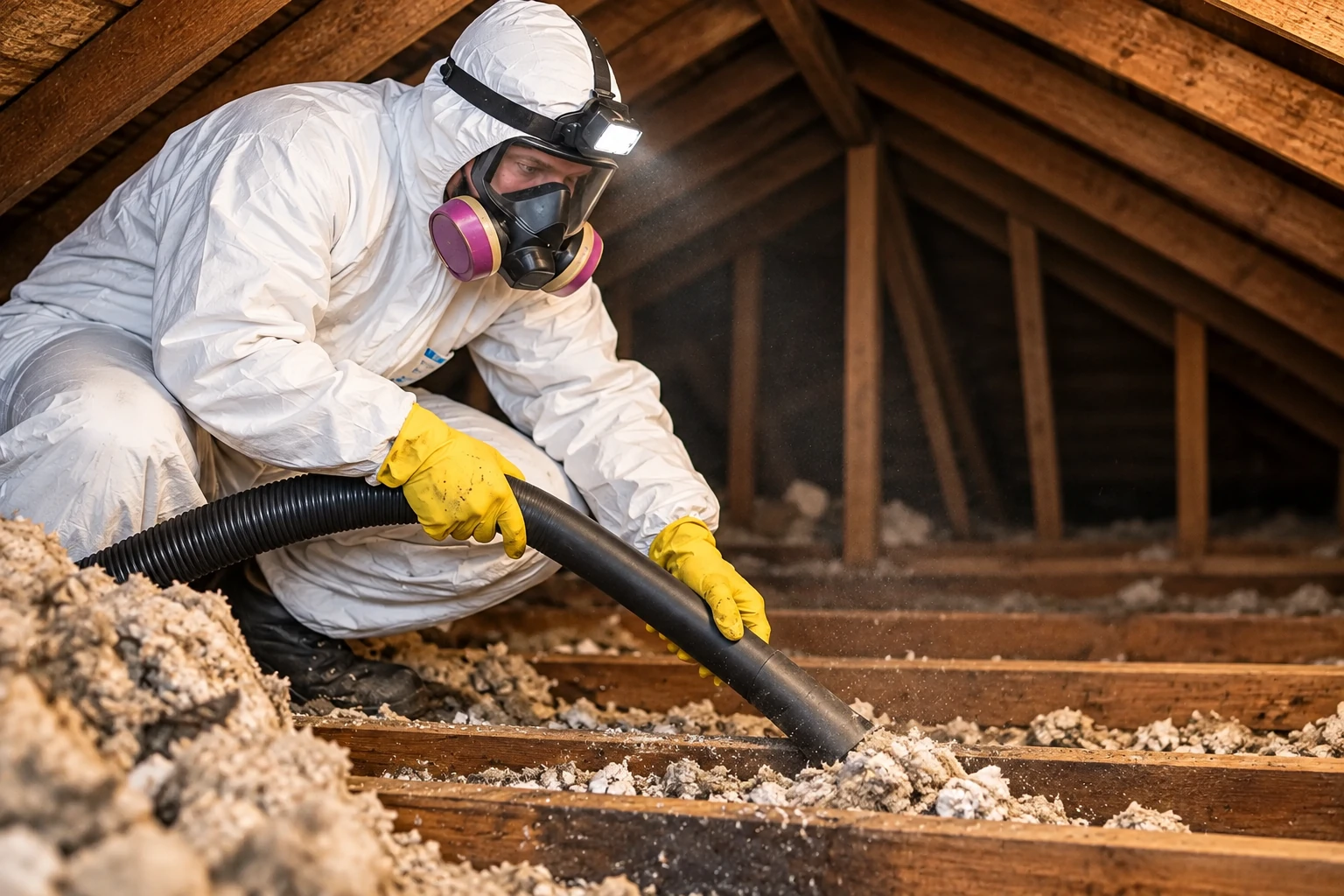
The size of the attic sets the starting point, and after that it comes down to what's already up there. If the old fill is soaked from a roof leak or full of droppings, it has to come out first, because new material laid over it just keeps the problem. The number of gaps to seal adds time, and choosing foam over loose fill raises the price more than anything else. When I come out, I measure how many inches you have now, look at the framing and vents, and write up the scope so you can see each piece and why it's there. If a job isn't worth doing, I'll tell you.
How long it takes and when you're back
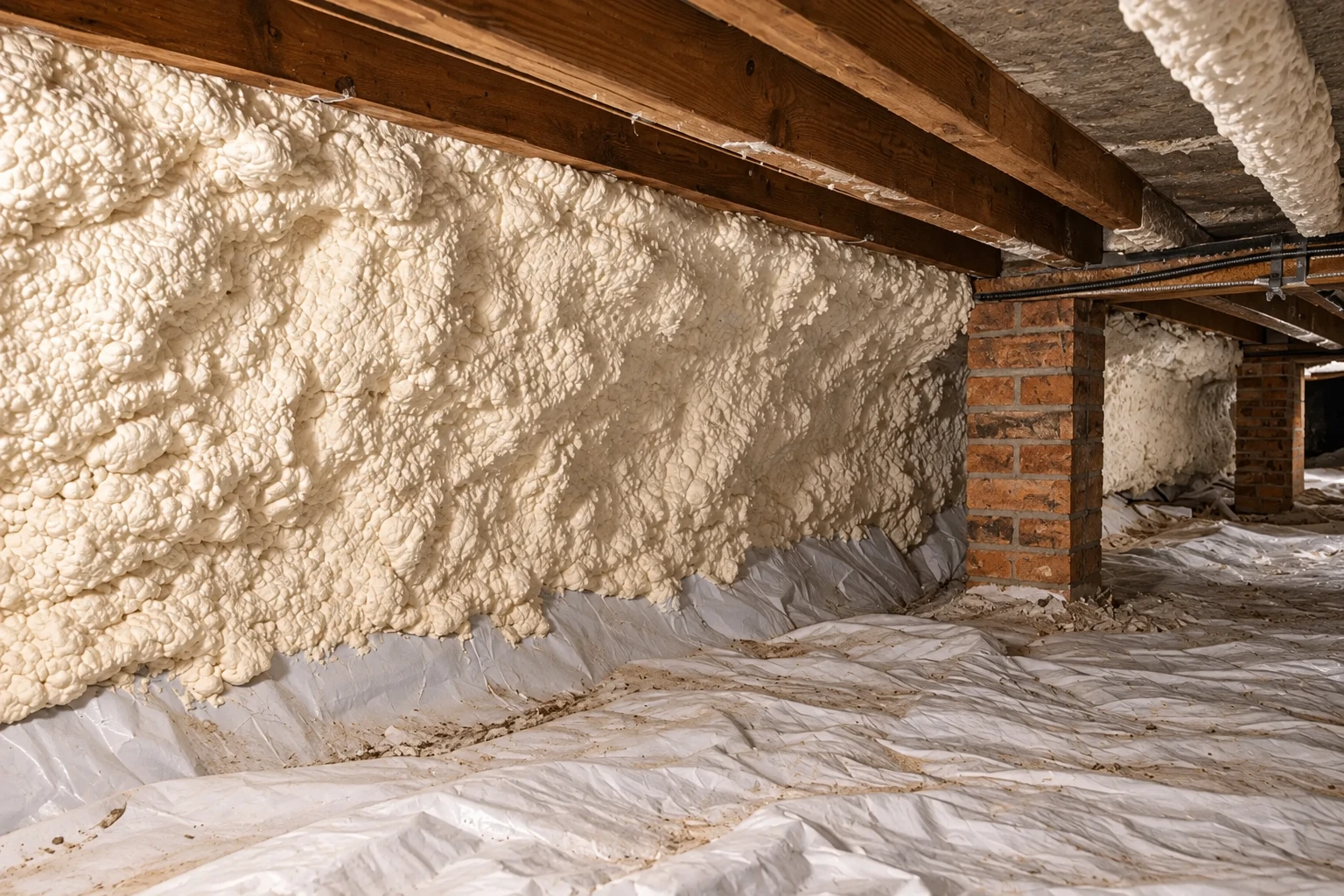
The schedule turns on three things: whether old insulation has to come out, how big and how easy to reach the attic is, and whether we're spraying foam or blowing in loose fill. Blown-in insulation is loose fill we push through a hose from the truck, and it usually lets you stay home while we work, though the hallway and garage get busy. Spray foam is different. You, the kids and the pets leave and stay out until the re-entry time, the point the foam maker says it's safe to come back, and I'll give you that time before we start.
Sealing first, and when foam is worth it
Before any insulation goes in, we fix what's wrong and do the air sealing, closing the gaps around can lights, pipes and the attic hatch so the new layer isn't fighting a draft. We keep the eave vents clear so the attic can still breathe, and we carry full coverage out to the edges, where it's usually thinnest. Foam costs more and seals air while it insulates, but for most attics sealing the gaps and topping up loose fill is the better buy. Foam earns its price when your ductwork lives up there. If the walls or floors need work too, our home insulation covers the rest of the house.