
Nuevo is a rural community east of Perris, and the houses sit spread out on bigger lots, with long drives, detached garages and workshops, and older places mixed in with newer builds. We drive out from Menifee the same way we head to Good Hope and Mead Valley, and the calls sound alike. People tell us about a hot upstairs, a bedroom over the garage that never cools down, or a power bill that jumps every summer.
When I open the attic on an older house, I usually find a few inches of insulation packed down over the years and daylight around the hatch and pipes. The hot, dry winds that come through push dust and heat into every one of those gaps, so we fix the gaps before anything else goes in.
Permits come from the county here
Nuevo has no city government, so the County of Riverside sets the building rules out here. The county wants a permit before a building is altered or repaired, and it names attic finishing as one example, but its list doesn't settle every insulation job. After I come out for the estimate, we ask Riverside County Building and Safety what your job needs and pull the permit when one is required. You don't have to chase that part yourself, though the county's permit counter will take your questions during business hours if you want to ask it directly.
What sets the price and how long it takes
The price comes down to what's already up there and what has to happen before new insulation goes in. I measure how many inches you have now and look for old material that got wet or is full of droppings, since that has to come out or the problem stays. I also check how many gaps around can lights, pipes and the hatch need sealing. The size of the attic, how easy it is to get into and whether you go with foam or loose fill move the price too. The schedule mostly turns on whether anything comes out first and whether the county wants a permit. All of it goes in the written scope you get after the estimate.
Whether foam is worth it here
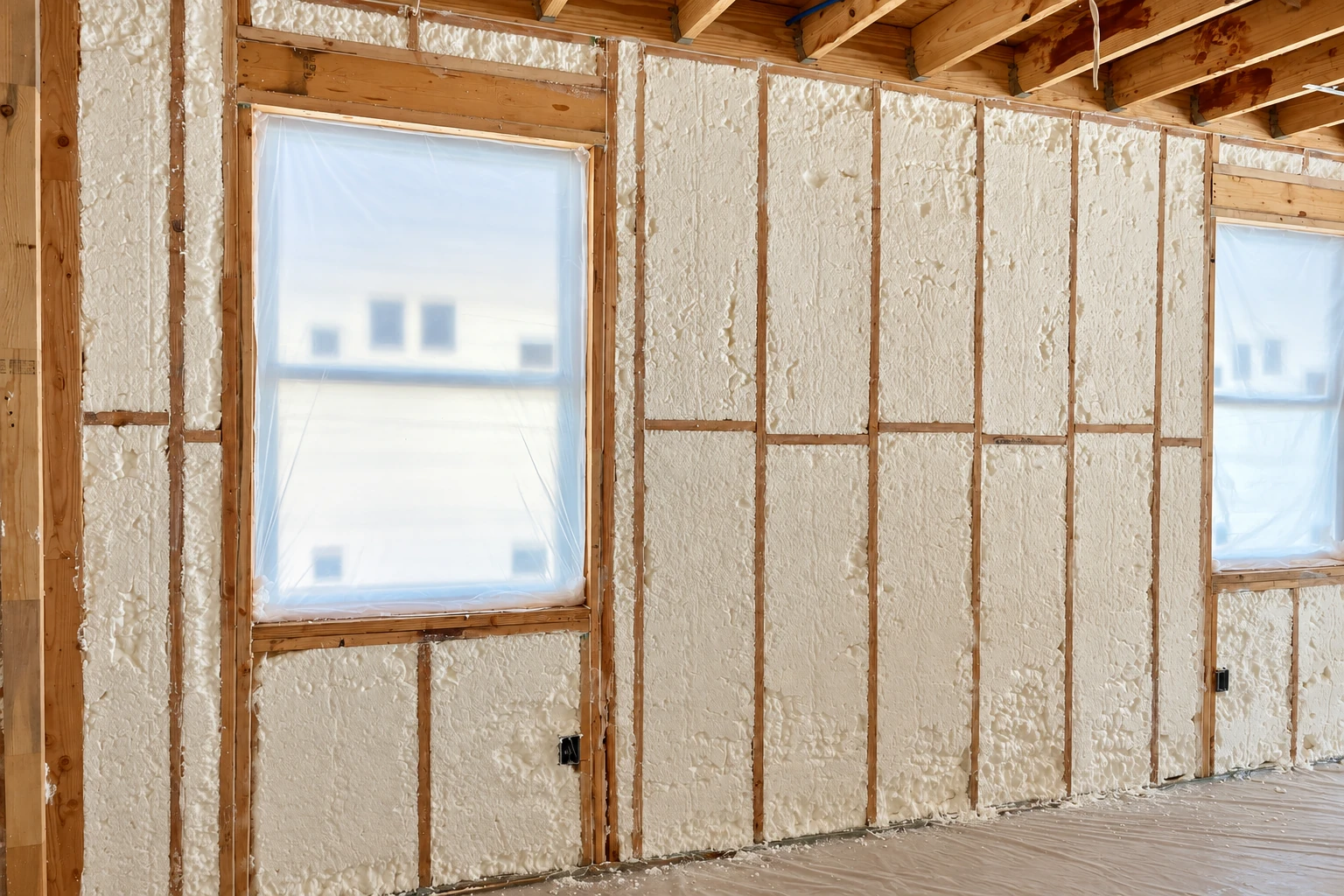
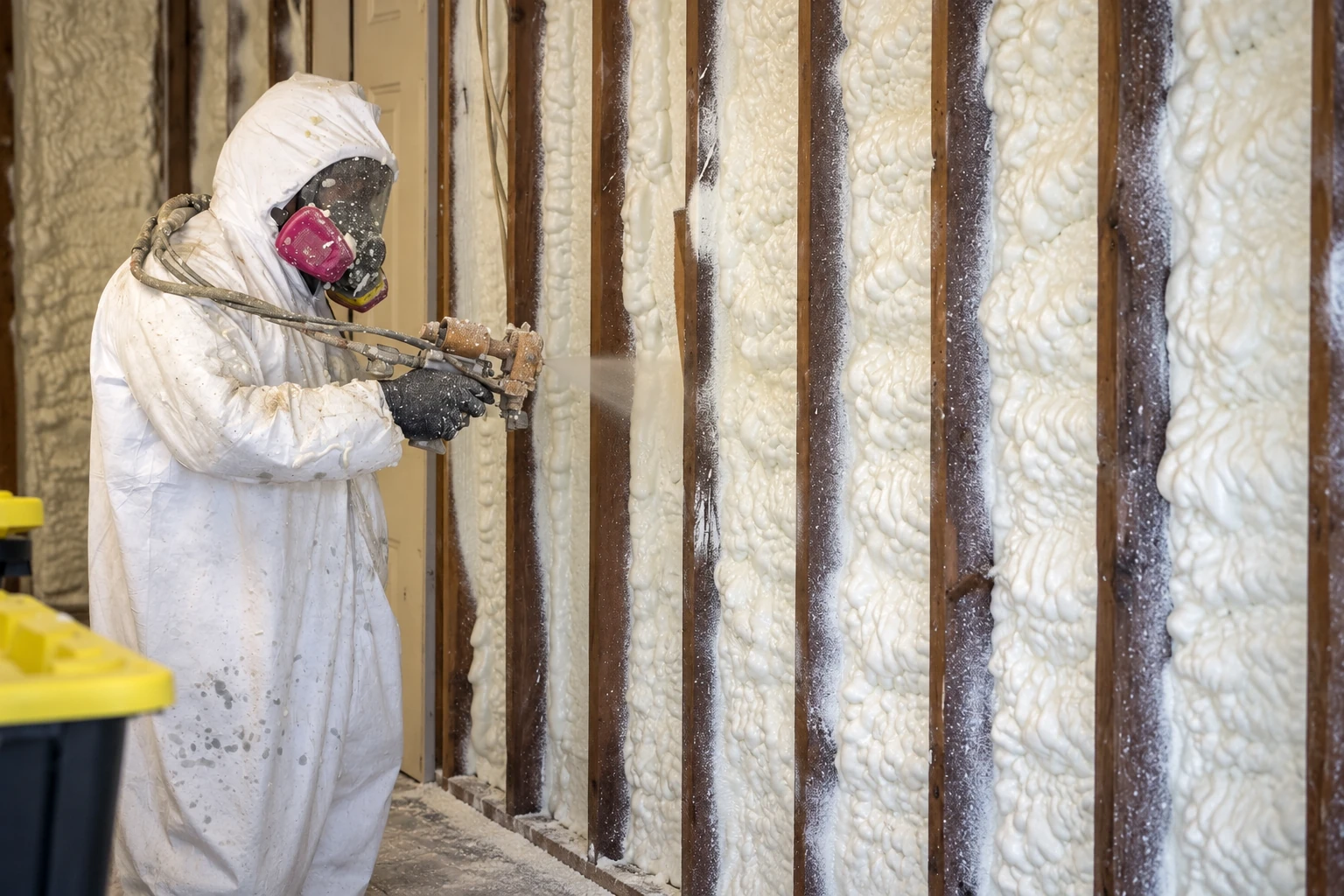
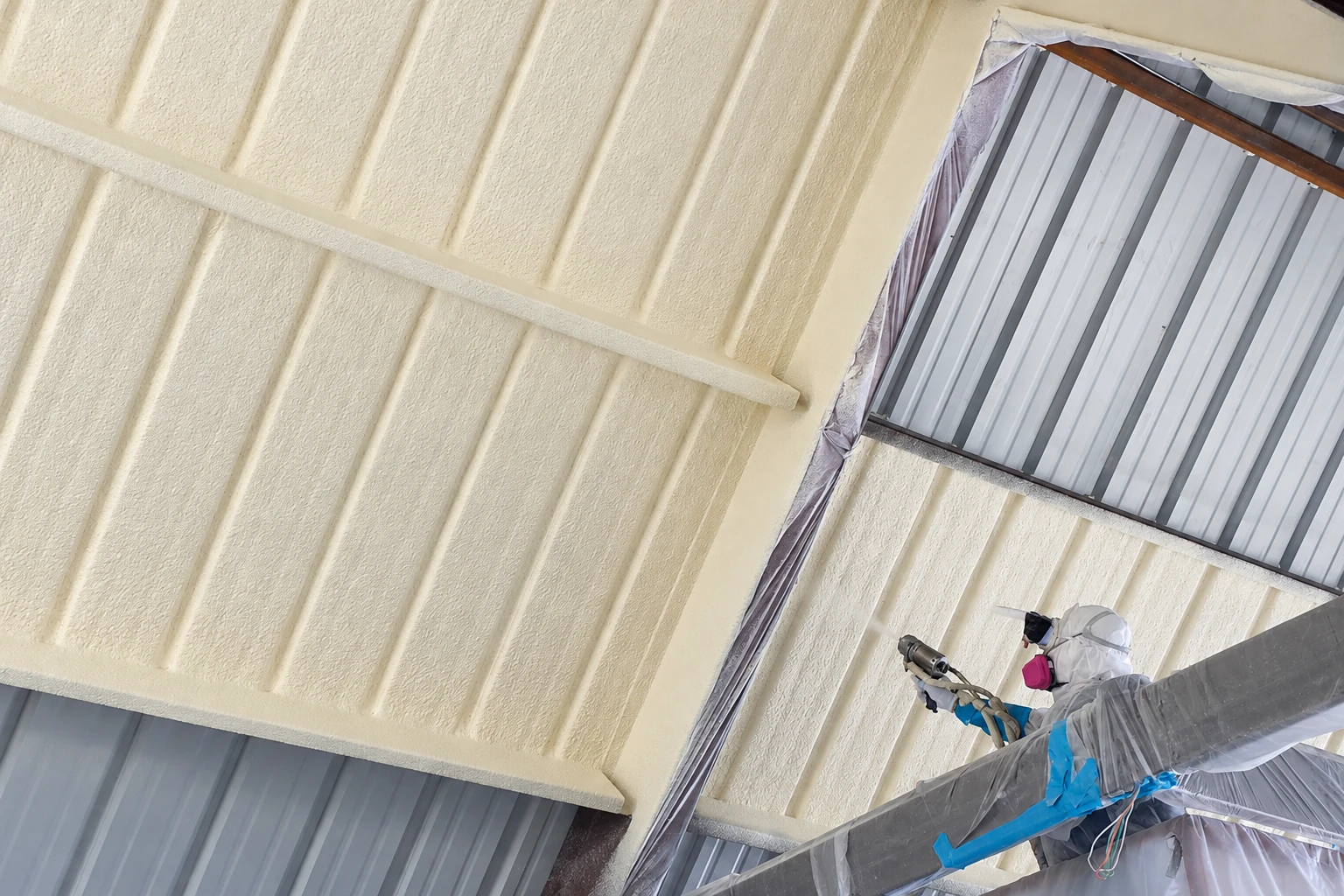
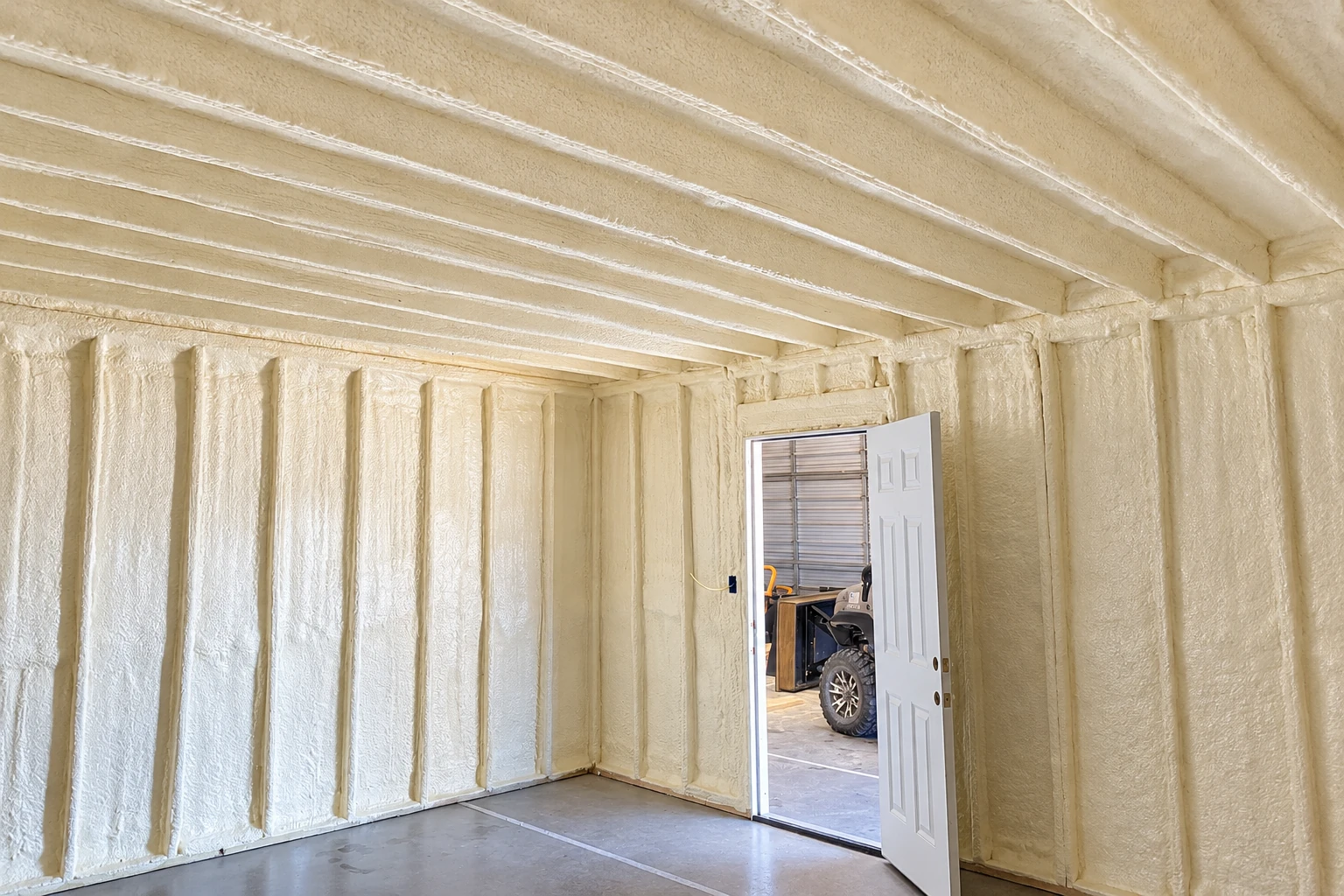
Foam costs more, and it seals air while it insulates. For most attics out here I'd rather close the gaps first, which is what we call air sealing, and then top up with blown-in, loose fill blown through a hose, because that fixes the drafts for less money. Foam earns its price when your ductwork runs through the attic, and open-cell foam insulation along the roofline is one way we handle that. Either way, we keep the eave vents clear so the attic can breathe, and we get full depth out at the edges, where coverage is usually thinnest.